
PLAN TO BAN CHEESE IS A RECIPE FOR DISASTER

A LETTER IN THE IRISH EXAMINER -  Tues May 15, 2012.

The draft code proposal by the Broadcasting Authority of Ireland, to ban the advertising of cheese on children’s television programmes, is a recipe for disaster, and represents the predictable consequences of anti-fat lobbying by senior HSE dieticians.

The “Health Statement”, a special report in the Irish Times (Oct 11, 2011) featured the collective opinions of several spokespersons in the Health industry, who, repeatedly and consistently, warned that “high fat” foods are the cause of our national health crisis.

Maeve Cormody is on record as condemning the use of butter and cheese because they are “high in cholesterol and increase the risk of heart attack “

Another dietician stated that the marketing of unhealthy food to Irish children “undermines the national health eating guidelines and the Food Pyramid”.

Undermining the traditional Food Pyramid is the very best thing that we can do in the health interests of our children, as it’s preferential recommendation of carbohydrates will encourage the very foods that promote insulin surges, diabetes and obesity.

The traditional Food Pyramid should accordingly be removed from all schools and institutions where it has long served as a dietary guide to young people.


Despite all the aggressive anti-cholesterol propaganda on TV and radio, neither cholesterol nor saturated fats are the proven culprits in heart disease or obesity !

Current dietary guidelines in respect of saturated fat restriction reflects the very dubious American Heart Association (AHA) dietary recommendations which have unfortunately influenced the food, nutrition and biomedical communities worldwide.

My evidence based rebuttal of these anti-fat and anti-cholesterol statements was not published following their submission.

The Danish policy of taxing dairy products, and dietary saturated fats, is not rooted in in good science, and is thus misguided, retrogressive and contrary to the best health interests of its population.

If Ireland is to pursue a similar policy, falling prey to the politically-correct rhetoric of the anti-fat lobby, it will have failed it’s entire populace by endorsing the unhealthy alternatives to heart healthy dietary fats.

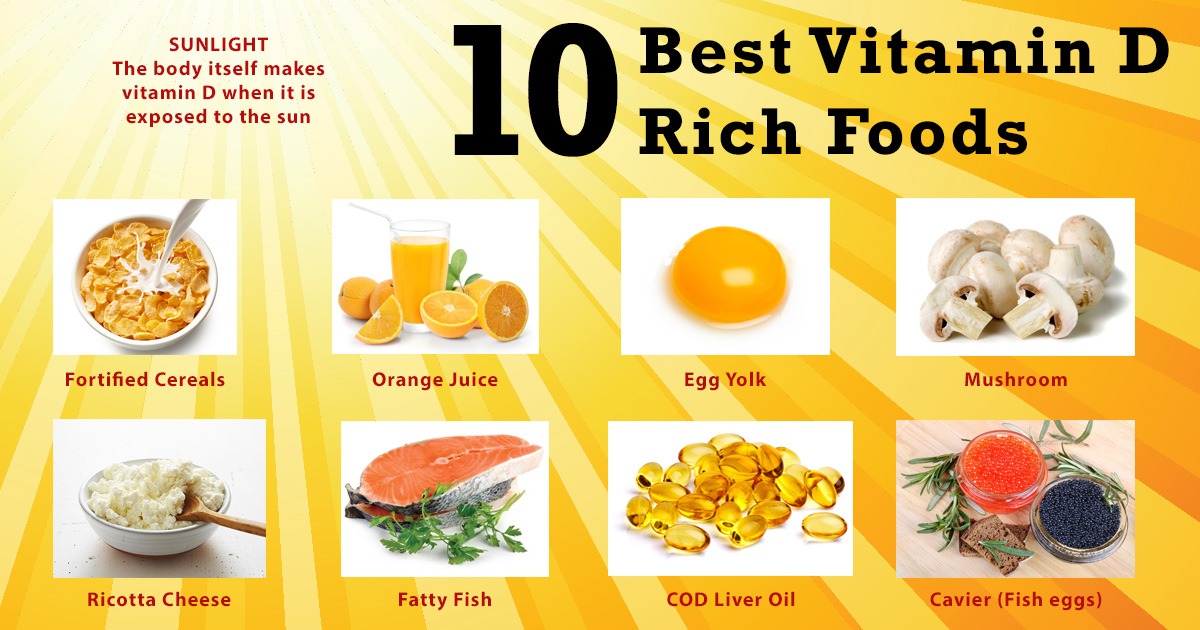
The avoidance of nutrient dense saturated fats (milk, butter, cheese, eggs, animal meat) seriously compromises the dietary absorption of fat soluble vitamins A,D,E & K,  with dire consequences for health.

An open debate on these critical issues is long overdue.

Dr. Neville Wilson.
Medical Director,
TheLeinsterClinic,
Maynooth.

Posted in Cholesterol | Tagged , , , , , | Leave a comment

IT’S A FISHY BUSINESS – MAKE THE RIGHT CHOICE !

The last decade has witnessed an unprecedented growth in the public consumption of natural nutritional foods and supplements, and chief amongst these is undoubtedly the remarkable fish oils, commonly labelled as omega-3.

While the numerous health benefits of omega 3 marine oils have been well established for more than 3 decades, it is only recently that health providers have acknowledged the undisputable benefits for heart health, brain health, bone and joint health, skin health and immune support, unleashed by the adequate daily consumption of omega 3.

As a consequence, food and supplement manufacturers have recognized the economic value of adding “omega-3” to their product labels, and the aggressive promotion of this product has exploded universally, to the degree that virtually every consumable product boasts an “omega-3” content, even though in most cases, with such minimal amounts, that health benefits are unlikely !

Misinformed consumers may be led to believe that food, milk,  yogurts and eggs “enriched” with omega-3, will deliver the desired health benefits, as suggested in the scientific literature.

Don’t be fooled by the Adverts !

Most omega-3 products on the market have insufficient levels of the key ingredient that actively delivers health benefits, and as such, they are inadequate for optimal health.

The key ingredients are EPA & DHA, the fatty oils that protect the several vital organs upon which optimum health and longevity depends.

While certain natural products, like hemp, walnuts, chia, pumpkin seed and flax, do contain omega-3 oils, their conversion to the active EPA/DHA is so inefficient (about 3% to 10%) that very large quantities have to be consumed daily for brain and body health requirements.

Only EPA & DHA, in sufficient amounts, and of good quality, can provide the desired benefits, and this can only be achieved by eating oily fish, such as purified mackerel, herring, trout, salmon, and sardines, or alternatively, consuming on a daily basis quality EPA/DHA supplements, with a proven track record for purification and potency.

Inferior products are plentiful on the shelves of supermarkets and pharmacies, and their EPA / DHA  levels so low, that many capsules have to be consumed daily to achieve the desired levels of between 500 mg and 2000 mg of EPA , depending on individual requirements. Examples of high quality products with high concentrations of EPA & DHA are MorEPA Smart Fats and MorEPA Platinum.

CHOOSE WITH CARE !

For best health benefits choose carefully, and select your product which can demonstrate a track record of purity, potency, and profitability, and don’t waste money on inferior or low dose products of unproven quality !

Products that contain omega-6 and omega-9 are unlikely to confer additional benefits, considering that we consume more omega-6 in our diets than is required,  and, by so doing, run the risk of ingesting excessive oils that promote inflammation, and worsen the conditions we may be trying to alleviate !

An excess of omega-6 may promote inflammation in your heart, joints, brain and elsewhere, while your omega-3, in the form of EPA, such as MorEPA Smart Fats or MorEPA Platinum, will reduce such inflammation, and restore healthy organ function.

I have taken EPA/DHA as a health supplement for almost 20 years and can testify to its unique health giving, protective, and rejuvenating properties, and routinely prescribe this product for all my patients, young and old !


Dr. Neville Wilson.

Family Physician / Sports Nutritionist.

The Leinster Clinic – Maynooth.

Posted in Omega-3 | Tagged , , , , , , | 1 Comment

THE UNTENABLE (cholesterol) DIET- HEART HYPOTHESIS

In 1933 Nikolai Anitschkov  produced his thesis that  a high dietary intake of cholesterol led to increased levels of blood cholesterol, resulting in infiltration and accumulation  on the inner walls of the arteries, thus causing vessel blockage, and ultimately  ischaemic death of the heart muscles being fed by these arteries.

His conclusions were based on feeding experiments involving rabbits who were force-fed high levels of dietary cholesterol, resulting in excessively high levels of blood cholesterol and organ tissue saturated with cholesterol.

In the same year Rudolph Schoenheimer conducted experiments with mice, feeding them large amounts of cholesterol,  then measuring their circulating levels of plasma cholesterol.

It is worth noting the outcomes of these early experiments within the context of prevailing notions regarding dietary and plasma cholesterol. Current perceptions that dietary cholesterol is harmful to cardiovascular health are based on the belief that such diets cause elevations of blood  cholesterol levels, thereby initiating the atherosclerotic process which leads to cardiovascular disease. (CVD).

Consequently, targets for blood cholesterol lowering have been incorporated into conventional therapeutic protocols.

Anitschkow’s rabbits demonstrated an accumulation of cholesterol that was markedly evident in their blood vessels, body tissues and skin. These rabbits died shortly afterwards.

We now know that because rabbits are herbivorous animals, they were unable to digest and metabolise the cholesterol-rich fodder given to them, and not having the mechanisms for storage, metabolism or excretion, they finally died, not from cholesterol blocked arteries, or from plaque rupture, as in humans, or from any form of heart disease, but ultimately from starvation !

Similar experiments with carnivorous animals have failed to produce these unnatural effects.

Furthermore, post-mortem studies, conducted by Lande and Sperry in 1936, showed no correlation between atherosclerosis and blood levels of cholesterol (1), and Mathur et al, in 1961, confirmed these conclusions after performing 200 human autopsies. (2).)

Schoenheimer’s mice, on the other hand, synthesised small amounts of cholesterol in response to large dietary intake, and conversely, synthesised large amounts when fed small amounts of cholesterol, thereby demonstrating the presence of  a  bio-feedback system, whereby  the end product of a synthetic pathway interrupts  the regular mechanics of that pathway in an inhibitory fashion.

The intricate  mechanisms of the bio-feedback system  were described by Gordon Gould in 1950, following his demonstration of decreased cholesterol synthesis by the liver in response to an increased intake of dietary cholesterol, and increased biosynthesis in response to a decreased intake. We now know that most of plasma cholesterol is synthesised in the liver, and that only about 15% is derived from absorption through the gut, and that a healthy liver maintains homeostatic cholesterol levels through its bio-feedback system, for essential biochemical functions.

It is also worth noting that the discoveries of Schoenheim and Gould are not well known, whereas the hypothesis of Anitschkow  is well known, despite its flawed methodology and invalid conclusions.

Also noteworthy, is the observation that 3 years later Ancel Keys produced his 6 Country Study, purporting to link coronary heart disease to a  high cholesterol diet. (3).

This exercise was doomed to failure  by  Keys’ clear disregard for available data from 22 countries which contradicted his hypothesis.  ( 4 ).

Keys embarked on another study ( 1958-1964) to promote his earlier hypothesis, and produced the well known 7 Countries Study in which he attempted to link dietary fat and coronary heart disease by analysing data from 16 selected populations in 7 Countries.

Again, Keys ignored data which contradicted his hypothesis, by selectively excluding populations within these countries where the incidence of coronary heart disease (CHD) did not correlate with dietary patterns  of fat intake.

Prof. Yudkin, from theUniversityofLondon, conducted a similar study to distinguish hypothesis from fact, and concluded that the proponents of the lipid hypothesis were quoting only those data “which supported their view” (5).

His data contradicted the conclusions of Keys, showing vast differences in Coronary Heart Disease (CHD) mortality between countries despite similarities in total fat intake.

The value of Yadkin’s analysis lies in the revelation that total calorie intake, from various sources, rather than from dietary fat alone, was linked to CHD.

Another factor contributing to the weakness of this study was the fact that in 1960 transfats and n-3 polyunsaturated fats (PUFAS) could not be identified, a fact attested to by Henry Blackburn, a project officer in the study at that time, who acknowledged the selection bias by stating that it was based on “convenience”.

(The study was limited to information about saturated fats (SFA), monounsaturated fats (MUFA), and polyunsaturated fats (PUFAS) raising questions about its accuracy in respect of types of fat being studied.)

SELECTION BIAS:

Data from the WHO MONICA PROJECT (Monitering Trends in Cardiovascular Disease)  reflects recorded blood cholesterol levels in population groups from 27 different countries, and found none of the correlations between such levels and coronary heart disease, clearly contradicting the hypothesis of Keys.

His hypothesis, while severely criticised by some of his colleagues, nevertheless flourished, by virtue of his powerful position within the American Heart Association (AHA).

Despite the failure of these 2 studies, the AHA Nutrition Advisory Committee promoted the underlying hypothesis, enabling its acceptance into official policy, and its incorporation into the dietary guidelines of the AHA in 1961. (7).

The AHA continues to propagate the hypothesis that dietary saturated fat and cholesterol are the major culprits in the incidence of CHD, and their guidelines consistently call for dietary reductions of cholesterol containing foods, ostensibly, to reduce the risk of cardiovascular disease, a major cause of mortality in the western world.

Contrary to the recommendations from prevailing guidelines, numerous lines of research have shown no correlation between levels of serum cholesterol and dietary intake of saturated fats, even where 20%-50% of calories were derived from saturated fats.

It is an unfortunate fact of history that many bio-medical models, worldwide, ignore the findings of MONICA PROJECT, and choose to propagate these unfounded dietary perceptions, thereby perpetuating a hypothesis that was not rooted in scientific evidence, and   doomed at its outset.

THE DIET –HEART HYPOTHESIS:

The diet heart idea is based on the propositions that :

(i)                 The amount and type of fat we eat determines the level of cholesterol in our blood. This refers to dietary cholesterol and saturated fats, primarily from animal products, such as butter, meat, milk and eggs, and also products derived from palm and coconut oils.

(ii)               That high levels of blood cholesterol are dangerous in that they cause atherosclerosis, and should thus be avoided through dietary restriction, or by reduction and substitution with unsaturated fats, or reduction  by drug intervention with cholesterol-lowering agents.

(iii)             Atherosclerosis causes coronary heart disease (CHD) by the blockage of coronary arteries, as a consequence of consuming dietary cholesterol and saturated fats.

Not only do these presuppositions remain unproven, but they have also been proved to be false. They nevertheless form the basis of guidelines that were propagated by the American Heart Association (AHA), and continue to influence  bio-medical models  on a world-wide scale by shaping national health directives and public health recommendations to reduce dietary saturated fats in order to maintain “heart health” .


AHA GUIDELINES:

The AHA continues to promote the perception that dietary fat intake and obesity and heart disease are causally linked, and that “low fat” and “fat free” are synonymous with “heart health”.

Policy statements by the AHA have been unquestioningly incorporated into the collective wisdom of health authorities, globally and nationally, finding expression in public health warnings about the dangers of fat and cholesterol.

(Several health bodies inIreland have authoritatively echoed these sentiments in their official literature . By so doing they ignore the critical evidence that contradicts these statements, while  promoting dietary principles that have questionable value.)

The official website of the AHA contains fearsome dietary warnings that clearly bolster the “anti-fat “ campaign. It says, “ Eating food that contain saturated fats raises the level of cholesterol in your blood. High levels of blood cholesterol increase your risk of heart disease or stroke. Be aware too, that many foods high in saturated fat are high in cholesterol which raises your blood cholesterol even higher “.

The website then recommends preferable substitutes for saturated fat, such as vegetable oils and vegetable replacements for traditional meat and dairy products. It also recommends the avoidance of tropical oils in favour of vegetable oils. (8).

The AHA and the Heart and Lung and  Blood Institute (HLBI) recommend reductions in dietary fat intake to treat or prevent coronary artery disease (CAD), calling for intakes of 30% (a reduction from 40% in the 1960s) of total calorie energy, and the American Cancer Society has called for a 50% reduction in fat intake, from 40% to 20 %, for the prevention of colon and breast cancer. (9).

Their agreed policy is for a reduction of saturated fat from 11% to 6% or 8% of energy intake, along with a reduction in dietary cholesterol. They further recommend an elimination of saturated  fat from the diet and replacement by carbohydrates from grains, vegetables, legumes and fruit.


THE HISTORICAL PERSPECTIVE:


Recommendations by the AHA to replace tropical oils with vegetable oils are linked to historical events in which political and economic forces served to entrench and support the vegetable oil industry at the expense of the tropical oil industry. (10)

This gave rise to the “Dietary Goals for the United States”, which in the absence of supportive scientific evidence, was published by the Senate Select Committee on Nutrition and Human Needs in 1977, in which it was reported that, “saturated fat causes heart disease”.

In 1984 the results of the Lipid Research Clinics Coronary Prevention Trial (LRC-CPPT) were published,  prompting the National Institute of Health (NIH) and the National Cholesterol Education Programme (NCEP), and the AHA to launch an aggressive low fat campaign to the American public based on a clinical trial which showed only a 0.04% absolute reduction of heart disease for the cholesterol lowering effect of cholestyramine, despite the exaggerated claims of a 24% risk reduction, which was relative (RRR),  rather than absolute (ARR) .

The wisdom of the policy has been questioned repeatedly by various researchers, and the strength of the purported evidence, not only challenged, but clearly weakened by contradictions within the evidence itself.

ECOLOGICAL STUDIES:

A plethora of studies, at great cost and over many years, have been conducted for purposes of justifying the diet-heart idea.

Strong positive correlations between saturated,  animal , dairy and total fat intake and CHD were shown in several large ecological studies, but, as in the 7 Countries Study, selective bias invariably influenced their interpretations, and the wide variations in lifestyle, geneticicity and ethnicity within these communities rendered their data invalid as evidence for a causal relationship between SFA intake and CHD.

Schaeffer comments that, unfortunately, this type of data is still being used to support the lipid hypothesis of CHD. (11).

PROSPECTIVE STUDIES:

Attempts to overcome the inherent weaknesses of ecological and case control studies were sought by conducting prospective (cohort ) studies, hopefully reducing bias, and assessing dietary patterns prior to diagnoses of disease being made, and comparing controls with intervention groups from the same cohort.

A review of  reports from 24 cohort studies investigating the association between SFA and the risk of CHD showed positive associations in only 4, these being the Honolulu Heart Study , theIreland– Boston Study , A Canadian Study,  and a U.K Study, thereby raising questions about the purported role of saturated fatty acids and polyunsaturated fats in cardiovascular disease.( 12).

Better known amongst the cohort studies are the 3 largest, namely, The Nurses Health Study (13), Health Professionals Study ( 14), and the Alpha Tocopheral, Beta Carotene Cancer Prevention Study ( 15 ).

In neither of these major studies was a positive association shown between SFA intake and

CHD risk.

Hu et al have likewise concluded that the number of cohort studies that have directly addressed associations between dietary intake and risk of CHD is “ surprisingly small and the results are not consistent”.

Could such a recognition eventually bring about a paradigm shift ?

A PARADIGM SHIFT ?

 In a 20 year follow-up on women in the Nurses Health Study researchers from the Department of Nutrition, Harvard Public School of Health reported that “ diets lower in carbohydrates and higher in protein and fat are not associated with increased risk of CHD in women. When vegetable sources of fat and protein are chosen, these diets may moderately reduce the risk of CHD”  (16).

The Harvard Public School of Health, nevertheless, continues to promote the mantra that “saturated fat and cholesterol appear to increase the risk of coronary heart disease as predicted by their effects on blood lipids”. (17).

In a search for Optimal Diets for Prevention of Coronary Heart Disease, Hu and Willett, at HarvardPublic School, reported reviews from 147 selected studies claiming “compelling evidence from metabolic studies, prospective cohort studies, and clinical trials in the past several decades to support substituting unsaturated fats for saturated fats as a strategy in preventing CHD.”  (18).

It is clear from the studies quoted above that no such “compelling evidence” existed, a fact attested to later by Frank Hu in his call for a “paradigm shift” in respect of the low fat campaign. (2007).

The HarvardPublic SchoolHeartbeat Newsletter (27 Oct., 2009) continues to promote PUFAS on the grounds that they lower LDL at the expense of saturated fats (SFA). The School, in fact, prioritises  LDL lowering,  while  failing to emphasise the important role that SFA play in raising anti-atherogenic HDL. Their Health message advises “to lower your LDL by cutting back on saturated fat, substituting extra-lean ground beef for regular, low fat or skim milk for whole milk, vegetable oil margarine for butter…”

Furthermore, they continue to vilify saturated fats by wrongly including them amongst the harmful trans fats, stating, “transfats boost LDL as much as saturated fats do” .

This statement ignores the distinctive differences between these types of fats in respect of their physiological properties and biological functions, ignoring the potential health benefits of SFA.

It is refreshing, and timely, to note the reversal of opinion in an editorial comment by Frank Hu  (Harvard Public School of Health) stating the “NEED FOR A PARADIGM SHIFT” in respect of the “ the low fat campaign…to reduce saturated fat intake”. He acknowledges that “this hypothesis has since played a major role in shaping national dietary guidelines”  which resulted in the “incrimination of all fats, despite clear evidence that this view was not supported scientifically”. ( 19).

In defense of the diet – heart hypothesis Daniel Steinberg  refers to the “skeptics vs the preponderence of evidence”. But the “preponderence of evidence” is clearly absent, as suggested by the capitulation and revised opinion of Dr. Frank Hu, of Harvard.

There has,  in fact,  never been scientific support for the Diet-Heart idea. The absence of compelling evidence from epidemiological studies to show a positive association between SFA and CHD risk, and likewise, a protective effect for CVD by substituting polyunsaturated fatty acids (PUFAs) was clear , and this  fact created the need for randomised controlled trials (RCT) to be conducted.

RANDOMISED CONTROLLED TRIALS: (RCT)

A search for evidence for a causal link between dietary SFA and CHD prompted the following trials:

(a). The London Hospital Trial involving 80 patients in which the groups eating a fat-restricted diet had a higher mortality rate than the control group.

(b)  Medical Research Council involving 252 males following a first myocardial infarction in which an intervention group ate a low fat diet compared to a control group eating a normal diet. Serum cholesterol levels were lower in the intervention group, but there was no significant difference in mortality between the 2 groups.

(c ).  The Oslo Diet Heart Study involved 412 males and compared a control group with a dietary intervention group consuming SFA (8.5%), PUFA (20.7%) and MUFA (10.2%). As a secondary prevention trial there were fewer relapses in the intervention group, and lower CV and total mortality, but not of statistical significance.

(d).  Soybean Oil Study , involving 393 males following a first myocardial infarction and randomised to 2 groups comparing their  normal diet and a 80g low-saturated fat meal daily.

Although serum cholesterol was lowered by an average of 22 % in the intervention group there was no difference in fatal CHD after 7 years.

(e). The Los Angeles Veteran Study compared the outcome of 2 groups of veterans, some with and others without, a history of CVD. The control group included 40% of energy from animal fats in their normal diet and the intervention group had 2/3 of animal fat replaced by vegetable oils. Although there was no statistical difference for myocardial infarction or sudden death between the groups, overall total mortality was greater in the intervention group. (lower fat intake).

(f). The Sydney Diet- Heart Study: compared the outcome of  2 groups of  males following a first myocardial infarction. The control group obtained 13.5% of energy from SFA, including butter, and 9.5% of energy from PUFA , while the intervention group substituted margarine (PUFA) for butter, obtaining 9.8% energy from SFA and 15.1% from PUFA. After 5 years more subjects in the PUFA group (16.7%) had died than in the SAFA group (11.8%).

(g). The Finnish Mental Hospitals Study : compared the diets in 2 hospitals over a 12 year period, swopping diets after the first 6 years. A comparison was made between a low cholesterol diet including PUFA margarine and soybean milk, and a cholesterol diet including butter and whole milk. No mortality benefits were evident from the intervention diets, despite  a 15% lowering of cholesterol. The weakness of the trial was its hospital based diets, rather than  a study of the individual diets of the inpatient participants, many of whom smoked or were on medication. No allowances were made for these distinctive lifestyle differences in the patients.

(h).  The Minnesota Coronary Survey:  A primary prevention study involving 9057 institutionalised males and females in which there was no difference in CV events, or death or total mortality, between  2 groups with 39% vs 38% energy from fat, with the  control group ingesting 18% from SFA  and 5% from PUFA and the intervention group ingesting 9% from SFA and 15% from PUFA. Both groups had a similar intake of MUFA (16% vs 14%).

MULTIPLE INTERVENTION STUDIES :

Several well-known studies have tested the benefits for cardiovascular health of multiple dietary and lifestyle interventions. These studies were not consistent in their design and significant variations in respect of their diets, drugs and lifestyle changes rendered them unsuitable to gauge the role of SFA in cholesterol levels or CHD events.

Collectively, their results did not show a benefit for total mortality, apart from the Indian Diet Heart Study in which the group ingesting fruit, vegetables and nuts reflected a lower mortality rate than the control group which was on a low fat diet, and the Lyon Diet Heart Study which compared outcome from a “prudent “ diet and a “Mediterranean “ diet, and in which fewer events and deaths were recorded in the  intervention group, despite no differences in total cholesterol, LDL-C or HDL-C between the 2 groups.

A REVIEW OF STUDIES:

(a)       The Tecumseh Study :  In a 24 hour dietary recall of 957 men and 1082 women

preceeding venipuncture for lipid determination, serum cholesterol and triglyceride

levels were unrelated to quality, quantity, or proportions of fat, carbohydrate, or protein

consumed in the 24 hour recall period. (20 ).

(b)      A review by Ahrens E.H. in 1979 concludes that a reduction in dietary fat is considered

to be “unwise, impractical, and unlikely to lead to a reduced incidence of

arteriosclerotic disease” ( 21 ).

(c )   In an assessment of dietary prevention of coronary heart disease Conor W.E. showed

that increases in dietary cholesterol between 500mg and 600mg per day resulted in little

additional change in plasma cholesterol. ( 22 ).

(d )   The effects of fat modified diets were shown in a survey by Vessby et al to be a

reduction in HDL-C, which were not reversed on a polyunsaturated fatty acid (PUFA)

diet. (23).

(Note: The AHA recommends a PUFA diet in place of SFA diets.)

(e )  A commentary by Reiser R. on the Rationale of the Diet-Heart Statement of the

American Heart Association (AHA) examined the original publications on which the

recommendations of the AHA were based, and found them to be “obsolete or

misquoted”. The Rationale also reported that “all dietary intervention trials were flawed

in one  or another aspect of experimental design”. ( 24. )


(f)      A descriptive overview of 16 published controlled trials was conducted by Ramsay et al to evaluate the long term efficacy of diets in lowering serum cholesterol concentration. Their conclusions stated that the response to the step 1 diets of the NECP were too small to have any value in the clinical management of adults with serum cholesterol concentrations above 6.5 mmol/L. (25).

(g)     Dr. Uffe Ravnskov examined the quotation bias in reviews of the diet-heart idea enabling him to dispute the argument that ““consensus committees have settled the issue unanimously”. He examines 3 recent authoritative reviews which defend the diet-heart idea and reveals their inherent  flaws. (26 ).

(h)     A systematic overview of 19 randomised controlled trials (RCT) by OxfordUniversityresearchers  concluded that individualised dietary advice for reducing cholesterol is modestly effective in free-living subjects. (27).

(i)       A prospective cohort study of 80082 women in the Nurses’Health Study  examined the effects of dietary saturated fatty acids on blood lipids, and concluded that intakes of short to medium-chain saturated fatty acids were not significantly associated with the risk of CHD. ( 28).

(j)       The impact of egg limitations on coronary heart disease risk was assessed by McNamara at the Egg Nutrition Centre. A review of 167 cholesterol- feeding studies indicates that dietary cholesterol increases both LDL and HDL cholesterol, with little change in the LDL: HDL ratio. These data help explain the epidemiological studies showing that dietary cholesterol is not related to coronary heart disease incidence or mortality across or within populations. (29).

(k)     The relationship between dietary cholesterol, plasma cholesterol and atherosclerosis is reviewed by McNamara  with reference to animal feeding studies, epidemiological surveys and clinical trials. The review concludes that there is a null relationship between dietary cholesterol and coronary heart disease morbidity and mortality, and that dietary cholesterol has little effect on the plasma LDL: HDL ratio. (30 ).

(l)       The differences in risk factors for coronary heart disease among the three main ethnic groups in Singapore were investigated in a cross sectional study. Dietary factors , while correlating with serum cholesterol at a group level, did not explain the differences in serum cholesterol levels between ethnic groups independently of age, obesity, occupation and other lifestyle risk factors. (31).

(m)   The Dietary Effects on cardiovascular disease risk  factors are reviewed by Nicolosi et al in a summary of dietary intervention outcomes.  Dietary reductions of saturated fats were shown to  not only decrease LDL, but also HDL, thus harming the lipid profile. Dietary interventions which do not alter the lipoprotein fractions are also considered in this review. ( 32 ).

(n)     Ravnskov describes the diet-heart idea as an hypothesis out of date, and is maintained only because allegedly supportive , but insignificant findings, are inflated, and because most contradictory results are misinterpreted, misquoted or ignored. (33) .

(o)     The Diet-heart hypothesis: a critique by S.L Weinberg, MD. “This diet (low fat-high carbohydrate ) can no longer be defended by appeal to the authority of prestigious medical organizations  or by rejecting clinical experience and a growing medical literature suggesting that the much-maligned low carbohydrate-high protein diet may have a salutary effect on the epidemics in question”. ( 34) .

(p)     Effects of dietary saturated fatty acids and carbohydrates on the ratio of serum total to HDL cholesterol and on serum lipids  and apolipoproteins: A meta-analysis by Mensink et al of 60 controlled trials evaluating the effects of the amount and type of fat on total:HDL – cholesterol and on other lipids showed that Lauric acid decreased the ratio the most, with little effect by Myristic  and Palmitic acids, and slight effects by Stearic acid. (35).

(q)     In the Medical Research Council National Survey of Health and Development (UK) results from a cohort of  British adults in 1989 and 1999 found that consumption of red or processed meat assessed separately was not related to the major risk factors for CHD. (36).

(r)       A reappraisal of the impact of dairy foods and milk fat on cardiovascular disease risk was conducted by a conference of scientists for purposes of considering the scientific basis for the current recommendations to reduce the intake of saturated fats. The conclusion of the conference was that “ there is no clear evidence that dairy food consumption is consistently associated with a higher risk of CVD”  and “recommendations to reduce dairy food consumption irrespective of the nature of the dairy product should be made with caution”. (37).

(s)      Challenging the Role of Dietary Cholesterol:  A panel of International Experts in genetics, nutrition, fatty acid, cholesterol metabolism and coronary heart disease reviewed the evolutionary aspects of human diets, and in a recent publication postulated the role of an imbalance between omega –6 and omega- 3 PUFA in the incidence of CHD. (38) .

LIPOPROTEINS AND CARDIOVASCULAR DISEASE:

Evidence for a causal relationship between dietary cholesterol and saturated fats has never been demonstrated, and the mortality benefits derived from higher levels of  SFA compared with low fat diets suggest property mechanisms that are inherent within specific SFA.

During 1969 – 1971 the measurement of VLDL, LDL and HDL were added to testing protocols for CVD risk assessment,  and HDL was defined as a protective factor against CAD.  However, supportive arguments for the Diet-Heart idea, and the restricting of dietary SFA, are generally based on the perceived dangers of raised total cholesterol and LDL levels.

TheInstituteofMedicine, in 2002, several years later, recommended calls for a saturated fat intake “as low as possible” since these fats “boost the level of harmful low density cholesterol (LDL-C) in the bloodstream”.

The earlier recognition that dietary SFA raised total cholesterol by virtue of HDL-C increases did not modify the recommendations to limit SFA intake, and these recommendations continue to dominate current dietary guidelines.

The role of SFA in favourably modifying lipoproteins has become an area of intense enquiry in recent years, with added implications for protection against cardiovascular disease and consumer dietary choices.

SATURATED FATS AND HIGH DENSITY  LIPOPROTEINS (HDL)

Not all SFA are identical in hypercholesterolaemic potential (raising cholesterol levels), and their capacity for modifying lipoproteins depends on chain length, and sole, or combined presence in food sources.

The shorter chain SFA (C4,C6,C8,C10) do not raise serum cholesterol since they are transported directly to the liver after absorption, via the portal system, and not incorporated into chylomicrons.

Medium chain SFA  appear to have variable cholesterol raising effects, the accuracy of which is not easily determined, but these changes are due to increases in HDL, which is more marked with Lauric acid, and less so with Myristic, Palmitic and Stearic acids. (39).

Increases in HDL improve the (total cholesterol) TC: HDL ratio, which is a more specific marker than either LDL or total serum cholesterol, ( 40 ),   and while all fatty acids elevate HDL when substituted for carbohydrates, the effect is diminished with increasing unsaturation of the fat. (41).

In other words, the more saturated the fats, the better the TC : HDL ratio with greater potential for cardiovascular protection.(42).

Kraus et al confirmed these findings in a 2006 study, by showing that a diet rich in SFA resulted in a steady state concentration of total and LDL cholesterol and an increase in the HDL concentration regardless of reduced dietary energy. (43 ).

Mozaffarian et al demonstrated a reduced progression of coronary atherosclerosis in post menopausal women with a greater saturated fat intake. ( 44).

Conversely, reductions in dietary saturated fats were shown by Bergland et al to adversely affect HDL- sub-populations by decreasing the larger HDL2-cholesterol concentrations.

HDL2 particles are less dense than HDL3 particles and have greater anti-atherogenic potential.

A high HDL2 : HDL3 ratio is thus favourable as an anti-atherogenic marker, as demonstrated by Tholstrup in 1994. ( 45).

A higher SFA diet improved HDL2 levels and the anti-atherogenic potential in  patients with documented atherosclerotic cardiovascular disease. (46).

Recommendations ( according to the AHA)  to limit the intake of SFA may lead to their replacement with carbohydrates, which may give rise to unwanted elevations of triglycerides, and a decrease in the protective HDL sub-populations. (47).

SATURATED FATS AND LOW DENSTY LIPOPROTEIN (LDL)

The underlying metabolic cause of CAD in many patients is not elevated serum cholesterol.

In fact, the Framingham Study reported that 80% of individuals who go on to have a CAD have the same total blood cholesterol values as those who do not suffer a similar event.

The most common metabolic contributor to CAD is the atherogenic lipoprotein profile, characterised by an abundance of highly atherogenic small, dense low density lipoprotein particles (SD-LDL), and a deficiency of high density lipoprotein HDL2b subtypes, most commonly associated with CAD protection. This trait is present in 50% of men with CAD, and is not reflected by total or LDL values. ( 48).


Recent lines of study have expanded our understanding of metabolic issues that contribute to CAD, by identifying the small dense LDL trait, an inherited disorder linked to a position on chromosome 19 reflected by a predominance of small dense LDL particles and which is present in 50 % of men with CAD, and which is independent of LDL concentrations. (49).


The predominance of these small dense LDL particles is called the atherogenic lipoprotein particle (ALP), since it is linked to several pro-atherogenic influences, such as greater susceptibility to oxidative damage, and reduction in high density lipoprotein 2b (HDL2b) which plays a predominant role in reverse cholesterol transport.


4 major studies (Boston Area Health Study, Physicians Health Survey, The Standard Five City Project, and The Quebec Canadian Study ) (50) all confirmed the presence of small dense LDL particles as providing a 3-fold increase in risk for cardiovascular events.


This risk factor is not identified by measurement of total cholesterol or LDL and is a likely explanation for the high incidence of CAD in the majority of patients who do not have raised levels of cholesterol.


Reductions of small dense LDL are evident after carbohydrate restricted diets and exercise ( 51),  and increases are also associated with low SFA and low cholesterol intakes.(52).

.

Dreon et al found that dietary SFA were associated with increases in larger LDL particles, and decreases in the atherogenic small dense LDL particles. (53).


Krause et al, in 2006, confirmed that a high SFA diet decreases these small dense LDL particles. (54).


The high carbohydrate – low fat diet, currently being recommended by national health authorities as a preventative measure for CHD, may reduce serum LDL, but they are also likely to  reduce beneficial HDL, and increase atherogenic small dense LDL particles.


Whereas the large, buoyant  LDL particles are protective against CVD they have been shown, in men, to undergo change in response to a low fat – high carbohydrate diet, with a phenotype shift characterised by a preponderance of small dense LDL particles.


Dreon, A J. showed that a low fat diet is not associated with improved lipoprotein profiles in these subjects. (55).


APOLIPOPROTEINS AND SATURATED FATS:


Specific apolipoproteins are attached to each of the known lipoproteins and are likewise subjected to similar, but not identical, dietary influences that affect lipoproteins.ApoA is attached to HDL and apo B is attached to LDL, and also to IDL, VLDL and Lp(a).


ApoC-iii is also an independent risk factor for CHD and impairs the clearance of  Apo B from the circulation through inhibition of lipoprotein lipase activity.


Apolipoproteins play a key role in both the structure and function of plasma lipoproteins. Genetically controlled variations of apolipoprotein can affect lipoprotein structure, composition and metabolism. For example, polymorphic forms of apolipoprotein E (apo E) interact with dietary fats to influence plasma lipoprotein concentrations. Thus assessments of apo E  phenotypes is useful in the diagnosis of familial dyslipoproteinaemia.


The effect of dietary SFA on LDL size is influenced by apoE genotype in healthy subjects.


In aCosta Ricastudy a high SFA diet elicited a greater LDL response in carriers of the apo E2 (17%) and apoE4 (14%) compared to non-carriers (6%).

Variability in susceptibility to CHD in the presence of dietary fats is likely due to the presence or absence of these genetic variations. (56).


A small study by Smith D.R et al compared the effects of lean beef enriched in oleic acid, on ten hypercholesterolaemic men and found that apo A-1, but not HDL or LDL were sensitive to the dietary beef. ( 57).


In another small study of Puma Indian subjects, by Abbott et al, a high fat/high carbohydrate diet contributed to a decrease in LDL in all the subjects. This was not a purely SFA diet, however. ( 58 ).


A Dutch study by Sundram K, et al, involving 38 males, demonstrated that Palm oil, as maximised in a Dutch-type diet significantly increased levels of apoA-1, while reducing apoB. Palm oil has a polyunsaturated/ saturated fat (P:S)   ratio of 0.2.

HDL2 was increased and the apoB: apo A ratio was significantly decreased, thereby conferring an anti-atherogenic benefit. There were no significant effects on total cholesterol levels.

In a similar study in 1984, Heine R.J. et al tested the effects on serum lipoproteins in rhesus monkeys following a high polyunsaturated / saturated fat (P:S =2.2) and a low polyunsaturated / saturated fat diet (P:S = 0.3) and found the high P:S diet decreased LDL, but also decreased HDL by 23%  and apoA-1 BY 13 %. , thereby showing greater benefit for the high saturated fat diet compared to the high PUFA diet.  ( 59).


In the AMORIS study by Walldius G. et al the apo A : apo B ratio was  found to be highly predictive of risk for fatal myocardial infarction (MI), even in the case of normal or low concentrations of LDL- C.  The INTERHEART study confirmed these findings in a study based on 30,000 individuals from 52 countries. ( 60).


In the  MONICA/KORA   (AUGSBURG) study 1414 men and 1436 women were investigated and their high apo B levels showed a strong relationship to increased risk of MI, which also correlated with apo B : apo A-1 ratios. (61).


Since dietary SFA raise HDL levels they  are more likely to improve the apo A: apo B ratio, and thereby confer a health benefit rather than risk for CHD.


SATURATED FATS AND LIPOPROTEIN – A  [Lp(a)]


Lipoprotein (a) is a lipoprotein particle in which the protein ( apolipoprotein B-100) is chemically linked to another protein, its levels being genetically (KIV-2) determined.

Increased blood levels of Lp(a) are associated with a 2-3 times increased risk for cardiovascular disease, according to a recent Danish study reported in the Journal of the American Medical Association. (62).


Lowering  Lp(a) levels is thus likely to reduce the risk of CHD, and since statins, which reduce blood LDL levels, do not lower Lp(a),  novel and alternative therapeutic agents for this purpose have been called for by Dr. Borge Nordestgaard, a lead researcher in the Danish study.


However, it has long been known, but not widely recognised, that dietary SFA reduce Lp(a) levels, thereby imparting cardiovascular benefits.


In a comparison of risk factors for premature CHD in men, Genest et al, in 1992, graded in decreasing order of significance the following factors : smoking > hypertension > decreased apo A-1 > increased apo B > increased Lp(a).


In 1995 Almendinger et al demonstrated the cardio-protective properties of butterfat over partially hydrogenated soybean and partially hydrogenated fish oil by virtue of butterfat causing a comparative decrease in Lp(a) levels.


Ginsberg , in 1998, demonstrated similar effects, with increases in Lp(a) levels when SFA levels were reduced, while maintaining constant levels of MUFAS, PUFAS and cholesterol. ( 63).


In 2004 Silaste et al demonstrated that serial reductions in levels of SFA , from 28 > 20 > 19 resulted in corresponding increases in Lp(a), and when levels of PUFA increased 11> 13 > 19 levels of Lp(a) increased correspondingly, indicating a cardio-protective property of SFA, not demonstrated with PUFAS. ( The AHA and national health bodies recommend a substitution of SFA by PUFAS !). ( 64).


More recently, Shin et al demonstrated increased plasma concentrations of Lp(a) during a low fat diet, high carbohydrate diet , which were also positively linked to increased plasma concentrations of apolipoprotein C-iii bound to apolipoprotein B containing lipoproteins. ( 65) .


NATIONAL DIETARY GUIDELINES:


.           Emerging lines of evidence strongly support the observations that dietary SFA improve plasma anti-atherogenic lipoproteins, which in turn improve the ratios of apo A : apo B. These improved ratios have been shown to have  a prognostic value for reduced risk of CHD and MI.


Since  these values can be measured directly and are not dependent on the calculations using the Friedewald formula, and are also independent of total cholesterol or LDL levels, the rationale for their incorporation into clinical guidelines  appears to be well founded.   (66).


The medium- chain SFA ,through their  anti-atherogenic properties, confer cardiovascular benefits, rather than risks, when compared to low fat/ high carbohydrate diets, and should be encouraged as part of a healthy diet for cardiovascular protection.


Recommendations to substitute PUFAS or carbohydrates for SFA, as propagated by the AHA, are ill advised since they  are not supported by scientific data, and do not confer demonstrable health benefits.


The consumer public, seeking to minimise the risks for cardio-vascular disease, should be advised  to avoid  dietary selections which include a preponderance of trans-fats, as found in commercially prepared foods,  or excessive intakes of  omega-6 PUFAS,  and to selectively improve their intake of healthy saturated fats, such as whole milk (unskimmed), eggs, butter and animal fats, and to replace polyunsaturated fats and vegetable oils with health giving tropical oils rich in saturated fat.


National Guidelines that warn of the dangers of saturated fats and call for their dietary restriction or substitution on the basis of their hypercholesterolaemic (“high cholesterol”) properties are not supported by the larger body of experimental evidence.


Dr. Neville Wilson.

LeinsterClinic – Medical Suite.

10 January. 2010.


REFERENCES:


  1. Archives of Pathology. 1936;22:301-312
  2. Circulation 1961;27;229-236
  3. Journal ofMount SinaiHospital70; 118-139, 1953.
  4. Circulation 41 (supplement 1) 1-211, A. Keys.
  5. Lancet;  July 27, 1957;H;155-167.
  6. Int. J of Epidemiol June 1994; 23(3) 505-516.
  7. Circulation 1961; 23: 133-136.
  8. www.americanheart.org.
  9. Cancer J Clinic 1996;46:325-342.
  10. Science, March 30, 2001; 292:2536-2545
  11. Am. J of Clin Nutr. 75 (2002), p 191-212.
  12. J of Clin Epid. 51, 443-460, 1998.
  13. Am J Clin Nutr 1999 Dec., 70(6): 1001-8
  14. HarvardSchoolof Public Health.
  15. NEJM 1994 Sept 1:331(9): 612-3
  16. NEJM vol 355:199-2002, Nov 9, 2006. No.9
  17. Am J. of Med. Vol 113, issue 9.
  18. JAMA vol. 288 No.20, Nov. 27, 2002.
  19. J.Am. Coll. Cardiol.2007; 50;22-24.
  20. Am J of Clinical Nutr. Vol 79, 1384-1392, 1976.
  21. Lancet 1979, Dec 22-29;2 (8156-8157) 1345-8.
  22. Postgraduate Med J. 1980 Aug; 56 (658):571-4
  23. Human  Clinic Nutr 1982: 36(3):203-11
  24. Am J Clin Nutr 1984, Supp; 40(3): 654-8
  25. BMJ 1991 Nov 23: 303(6813)
  26. J.Clin Epid 1995 May; 48 (5):713-9
  27. OxfordUniv.
  28. Am J. Clin Nutr 1999 Dec 70(6): 1001-8
  29. J. Am Coll Nutr vol 19, No. 90005, 540S-548S (2000).
  30. J. Am Coll Nutr vol 19, No. 90005, 540S-548S (2000).
  31. AsiaPac J Clin Nutr. 201; 10(1): 39-45
  32. J.Am Coll Nutr. 2001 Oct 20, 5 Suppl. 421 S –427S.
  33. J  Clin Epid. 2002 Nov, 55(11); 1057 – 63.
  34. J Am Coll Cardiol 2004; 43;731-733.
  35. Am J. Clin Nutr 2003 May 77(5): 1146-55.
  36. Env J. Clin Nutr 2009 March; 63(3): 303-11
  37. Eur J. Nutr DOI 10, 1007/ s 00394-009-0002-5
  38. Challenging the Role of Dietary Cholesterol. A.P. Simopoulos.
  39. Am J. Clin Nutr vol 77, issue 5, May 2003.
  40. NEJM 325 (1991), P 373-381.
  41. Arterio Thromb 1992, Aug 12 (8)011-9.
  42. Am J. Clin Nutr 1995, 61; 1308S-1373S.
  43. Am J. Clin Nutr 2006, Sept; 84(3): 668.
  44. Am J. Clin Nutr 2004, 80: 1175-1184.
  45. J of Lipid Research 36 (1995) PP 1447-1452
  46. Mayo Clinic Proc 2003, 78: 1331-1336.
  47. Am J. Clinic Nutr. 1995, 61: 1368S-1373S.
  48. Superso H.R. et al.
  49. JAMA 1988; 260:1917 – 1921.
  50. Circulation 1997; 95: 69-75.
  51. FASEB J, 1994: 8; 121-126.
  52. Arterio & Thromb 12 (1992) p 1410-1419.
  53. Am J. Clin Nutr :67,(1998) p.828-836.
  54. Am J. Clin Nutr 2006; 83: 1025-31.
  55. Am J.Chem Nutr 69 (1999) p.411-418.
  56. Human Biol 2007, Dec, 79(6).
  57. J of Int Medicine 1999; 246:191 –201
  58. Abbot N.G. et al.
  59. Am Nutr Metab 1984; 28: 201-206.
  60. Lancet 2004 Sept. 11-17; 364 (9438 – 93752).
  61. Eur Heart Journal (2005) 26, 271-278.
  62. JAMA 2009; 301(22): 2331-2339.
  63. Arteriosclerosis, Thrombosis & Vasc. Biol 1998, 18: 441-449.
  64. Arteriosclerosis, Thrombosis & Vasc. Biol 24 (2004) p.498 – 503.
  65. Am J. Clin Nutr, 95 (2007) p 1527 – 1533.
  66. Euro Heart Journal vol.26 (3): 210 – 212.


OoO


Posted in Cholesterol | Leave a comment

Be Wary of the Low Fat Message

The perceived correlation between junk food marketing and unhealthy dietary practices of Irish children is currently under the spotlight of the Children’s Commercial  Communications Code.

The Broadcasting Authority of Ireland (BAI) is currently reviewing submissions of concern from the public and professional bodies, with a mandate to consider imposing advertising restrictions on the promotion of dietary products judged to be harmful to children’s health.

The prevailing perception is that foods high in fat, sugar and salt (HFSS) are the chief culprits, with their ubiquitous presence in popular dietary choices underlying the current national health crisis.

The Slane Study (2007) described our current obesity epidemic in terms of 23% of the population being obese and 39% overweight. These figures represent children and adults who are likely to be pre-diabetic, and on the road to a future  of chronic ill health and likely disability.

The popular belief that HFSS foods harbour the potential for chronic ill health has been so widely promoted, that it has become a politically correct slogan for public health spokespersons.

The “ HEALTH STATEMENT”, a special report in the Irish Times ( Oct, 11, 2011), reflects the collective opinions of several spokespersons in the health industry, who repeatedly and consistently vilify “high fat” foods as the cause of our national health crisis and call for a low fat dietary intake.

Paula Mee promotes low fat milk with breakfast cereal, and Maureen Mulvihill, health promotion manager with the Irish Heart Foundation, wants children to be protected from the advertising of foods “high in fats, sugar and salt”.

Dietary excesses of sugar containing products are significant contributers to diabetes and obesity, while a recent study in Rotterdam shows that moderate intake of salt has a negative impact on health in respect of blood pressure or heart disease, and that salt depletion may be harmful in some cases.

Ms. Mulvihill states that the marketing of unhealthy food to Irish children ““undermines the national health eating guidelines and the food pyramid”

Her support for the Food Pyramid is lamentable. The Food Pyramid, a product of the USA Dept. of Agriculture, with its unhealthy promotion of excess carbohydrates, has left a legacy of chronic obesity and morbidity wherever it has been applied, and has finally, and rightfully, been relegated to antiquity.

The traditional food pyramid was a disaster and  should no longer serve as a recommended guideline for daily dietary choices.

The Food Pyramid was replaced on 31 Jan, 2011 by revised dietary guidelines, which includes seafoods, whole grains, fruits and vegetables, without the previously weighted requirements for dietary carbohydrates.

The preference in the revised guidelines of drinking water to fizzy drinks is welcome, but does not go far enough to identify the widely consumed carbonated beverages that contain unhealthy levels of high-fructose corn syrup (HFCS) which represents a hidden risk for diabetes, obesity and several chronic disorders, and as yet overlooked as a major threat to human health.

ANTI-FAT DOGMA:

A major weakness of the revised guidelines is their adherence to the anti-fat dogma, which reflects policy statements of the American Heart Association and The Irish Heart Foundation, based on the false belief that saturated fats are a risk for heart disease because they “raise cholesterol levels”.

These perceptions are repeatedly vocalized in public health messages.

Saturated fats do raise total cholesterol levels, but that is because they raise the very important HDL levels, the so called “good cholesterol” which is heart healthy. But they also lower lipoprotein (a), the substance that increases the risk for heart disease.

The heart actually draws on the fat reserves containing stearic acid and palmitic acid in times of stress, and these are saturated fats.

Furthermore, saturated fats are essential for the maintenance of healthy cell membranes, for bone protection, for immune enhancement, and have important anti-bacterial properties which protect us from possible gut infections.

Some saturated fats have a lower caloric value (medium chain) and are an efficient source of energy for the immediate use by the organs and muscles, and are thus not stored as fat. Thus they do not cause weight gain !

Why would we want to eliminate these vitally important fats from our diets ?

Without these dietary fats children would not be able to absorb the vitally important vitamins A, D, K & E, all fat soluble vitamins, and essential to good health.

Maeve Cormody, a senior HSE dietician condemns the use of  butter and cheese because they “are high in cholesterol” and “increase the risk of heart attack”.

This is an unwarranted fear and not supported by scientific studies.

Trevor White , in his OPINION ( Irish Times Oct, 10) falls into the same trap by implicating dietary saturated fats in the escalation of obesity and diabetes, and refers to the Danish introduction of a tax on foods high in saturated fats.

Such a taxation of foods, which are essential to good health, is a retrogressive step, and should be applied instead to harmful dietary fats such as trans fats, and interesterified fats, which are an insidious intrusion into the processed food industry, as a replacement for the unpopular trans-fats!

The scaremongering approach to fats has deprived our nation of healthy fats, and offered false hopes of health gains by promoting unhealthy alternatives to healthy butter, whole milk and cheese, since they are devoid of supportive nutrients, unless fortified.

The promotion of skim milk and low fat alternatives serve only to deprive consumers of essential nutrients such as palmitoleic acid, which protects against insulin resistance and diabetes, and conjugated linoleic acid, a vital cancer protective nutrient which can reduce the risk of bowel cancer by as much as 41%.

Full fat dairy products have been shown in a study to reduce weight by 30% and also to offer protection against heart disease.

While physical exercise is vital to good health, our reliance on activity programmes will count for naught if we ignore the role of diet and habitual daily nutrient intake.

Dr. Muireann Cullen of the Nutrition & Health Foundation suggests that “exercise offers our best hope of reversing rising obesity” and calls for expanded recreational facilities. ( Opinion, Aug 15).

This approach is not without merit, but ignores the core issues which underlie the explosive epidemic of global and national obesity

Low fat diets are not heart healthy foods, and invariably contain high levels of carbohydrates or polyunsaturated  fats. Consider that your large tub of “low fat” yogurt actually contains 13 times more carbohydrate than fat, and that carbohydrates in excess stimulate insulin production and weight gain, and are a potential risk for diabetes

The anti-fat and anti-cholesterol campaign, promoted by the food industry, and insidiously supported by sections of the health industry, has opened the doors for the widespread consumption of carbohydrates, predominantly in the form of refined grains,  and products high in fructose corn syrup, contributing factors for diabetes and obesity.

The conventional dietary advice which equates “heart healthy” with low fat products, is misguided and contrary to scientific evidence, and has consequently spawned a lucrative industry of “low fat” foods which are not only high in carbohydrates, but also high in vegetable oils  and polyunsaturated fats, creating a dangerous imbalance between inflammatory omega 6 fats and healthy omega 3 fats.

This imbalance invariably leads to deprivation of the essential omega 3  (fish oils) which are essential to the health of children and adults alike.

The low fat campaign has failed the test of time.

The food and health industry should abolish their unscientific propaganda about dietary fats and salt restriction, and acknowledge the findings of critical science with respect to the health benefits of nutrient dense dietary fats.

Dr. Neville Wilson.

Family Physician & Sports Nutritionist.

The Leinster Clinic,

Kilcock Road.

Maynooth.

Phone:01-5052135.


Posted in Fats - Good and Bad | Tagged , , , , , , , , , , , , , , | 3 Comments

False Claims of Benefit in Cholesterol Trials

     In the pre-statin era of the 1970-1980s many trials were conducted in an attempt to prove the validity of the “lipid hypothesis”, the theory that dietary fat and cholesterol were causative in heart disease, and that reductions in dietary and blood cholesterol would translate into reductions in risk for heart disease and cardiovascular mortality.

THE FRAMINGHAM STUDY:

The Framingham Study was the first major project designed for the purpose of establishing the underlying cause for the high rate of cardiac related deaths in the USA. It was commenced in 1948 and conducted over a 30 year period, to explore the relationship between cholesterol and coronary heart disease (CHD), and the results were published in a 30 year follow up paper in 1987.

The results from Framingham did not reveal an association between cholesterol and all cause mortality across all age groups, showing only an association  for males aged between 30 and 49 years of age. Beyond these years there was no evidence for  such an association. (1)

Association does not imply causation.

A significant finding from the Framingham data was that high levels of cholesterol were, in fact, predictive of increased survival and greater longevity for those over 49 years of age, and lower levels of cholesterol were associated with an increase in death from all causes, including those from CHD. (2) (3) (4)

The Framingham Study showed that for every 1 mg./ dl. drop in cholesterol during the first 14 years, there was a 14%  INCREASE in cardio-vascular disease, and a 11% INCREASE in overall mortality during the subsequent 18 years.

These facts were ignored by the American Heart Association (AHA) and the National Heart, Lung and Blood Institute (NHLBI), the trial sponsors, who conveniently altered the data to give credence to their ideology, and announced that “for every 1 % reduction in cholesterol there was a corresponding 2% reduction in CHD. (5)

Clearly, this exaggerated claim of benefit was unfounded, and did not reflect what the Framingham authors recorded !

In fact, the Framingham researchers went further in their support of cholesterol as providing a benefit, rather than risk.

Their Director, Dr. William Castelli, admitted that “in Framingham, Mass, the more saturated fat one ate, the more cholesterol one ate, the more calories one ate, the lower the person’s serum cholesterol…we found that the people who ate the most cholesterol, ate the most saturated fat, ate the most calories, weighed the least, were the most physically active” (6)

    MRFIT STUDY: (The Multiple Risk Factor Intervention Trial)

In their pursuit of the causative factors underling heart disease the  NHLBI  considered the role of 3 perceived risk factors, namely: high cholesterol, smoking and high blood pressure, and recruited over 360,000 males to test the effects of these risk factors in heart disease.

From this number, 12,000 were selected, aged 35-57, who were considered to be especially at risk for heart attack, because they had high cholesterol levels and smoked. Of note, is the fact that many of these screenees had followed the “healthy” diet as recommended by the AMA, but yet had “high cholesterol” level.     The screenees were divided into 2 groups, the “treatment” group being guided into an adopted lifestyle programme, incorporating dietary choices, anti-smoking programmes, and advice about exercise, while the “control” group received no such advice, and were permitted to follow their normal pattern of lifestyle and diet.

Blood samples and lifestyle counselling was conducted every 4 months for the “treatment “ group, while the “control” group had their blood tested annually, over a 7 year period.

After 7 years the results were tabled and compared, to evaluate the effects of lifestyle intervention and cholesterol lowering on mortality.

The researchers were excited to note the reductions in risk factors in the treatment” group, with a 7% reduction in cholesterol levels, and Blood Pressure reductions also.  The “control” group, who had not made major dietary changes, recorded a 5% reduction in cholesterol, but many more had continued to smoke. (3456 vs 2842)  (7)

In the “treatment” group 115 had died of CHD while 124 had died in the “control” group, a difference of 9 deaths, and deaths from ALL CAUSES were 265 in the “treatment” group” and 260 in the “control” group, a difference of only 5 deaths, but MORE deaths in the treatment group !

After a further 4 years, a total of 202 deaths from heart disease was recorded in the “treatment” group,  and 226 deaths were recorded in the “control” group.

It is unlikely that the small difference of 2% in cholesterol reduction accounted for the very small difference in death rates between the 2 groups, and more likely that the higher rate of smoking in the “control” group was a contributing factor, aided by the fact that more participants (991) who had been counselled in the “treatment” group had given up smoking, than in the “control” group (374). (7)

Details of the reductions in dietary fats and cholesterol were recorded by the American Dietetic Association (8)  as being quite significant  (25%-50%), yet despite these reductions the differences in blood cholesterol were insignificant.

From the data presented it is clear that survival benefits in the “treatment” group  were not significantly better, yet the researchers, after a review and revision of the study design, confidently proclaimed  a benefit for cholesterol reduction, stating that a “strong, continuous and graded “ relationship existed between blood cholesterol and CHD. (9) JAMA Nov, 28, 1986; 256; 200: 2823-2828

These conclusions were derived from a comparative analysis of  sub-groups in the study, and reported again in 1990. (10) JAMA 263, 1795-1801, 1990.

It is also noteworthy that the researchers failed to report any data for overall mortality. Had they done so they may have been less enthusiastic about their claims of benefit.

Neither did they suggest that the greater reduction in smoking in the “treatment” group might have contributed to the very small, but insignificant, difference in deaths from cardiac causes.

Some years later the study  data was reviewed by Dr. Hiroyasu Iso and his team, and reported  in the New England Journal of  Medicine, as being U-Shaped in character, demonstrating that the highest all-cause death rate was present amongst those with the LOWEST cholesterol levels, under 3.6 Mmol\L (140 mg/dl) , and the lowest mortality rates occurred across a range of 4.1Mmol/l  to  5.6 Mmol/l ( 160 – 219 mg/dl). (11)

The data derived from this large scale interventive study failed to support the hypothesis that dietary cholesterol reduction could reduce the rate of cardiovascular deaths.

It did, however, suggest that smoking cessation might reduce the risk for CHD.

In a methodological study by Prof. Lars Werko in 2009, he concluded that the often repeated statement that “ the MRFIT screenees constitute the largest and most exact data base regarding the relation of risk factors to mortality in the healthy male US population” has no foundation. (12)

LIPID RESEARCH CLINICS CORONARY PRIMARY PREVENTION TRIAL (LRC-CPPT)

In 1984 the 6th study in a series of costly attempts was initiated, to once again find evidence for the “cholesterol hypothesis”, the theory that cholesterol was a causative factor in heart disease

These earlier studies, between 1980 – 1985, were funded by the NHLBI in its endeavour to prove its hypothesis, that had  hitherto remained unproven.

In this study, at a cost of €140 million, the benefit of a cholesterol lowering drug,  cholestyramine (Questran) , was tested, as opposed to the early dietary intervention trials, and 4000 participants were recruited for enrolment, after testing blood cholesterol levels in half a million middle aged males.

As before, a treatment group, using cholestyramine, was tested against a control group, using a placebo powder, and the number of heart attacks in each group assessed after 7 years of treatment.

A non-fatal heart attack was recorded in 190 men (10%) in the treatment group, compared with 212 in the control group (11.1%), a difference of 1.1%

Fatal heart attacks occurred in 30 patients (1.6%) in the treatment group, and in 38 patients  (2%) in the control group, a difference of 0.4 %.

Despite an absolute difference of only 0.4% the researchers quoted a “relative risk” reduction of 24%, which is clearly an exaggerated figure used to artificially inflate the perception of benefit.

To further exaggerate the figures the researchers abandoned their previous decision to use a stringent statistical test for determining accuracy, known as a “two-tailed” test, or a probability level of 0.01 (error probability 1:100).

Their 1979 protocol, as reported  (13) was conveniently substituted for a less stringent  “one-tailed” test, to obtain statistical significance !

When the final figures for total mortality (deaths from all causes) were calculated, the figures for both groups  were not largely different, with 68 deaths (3.6%) in the treatment group, and 71 deaths (3.7%) in the control group.

This insignificant  difference between the 2 groups  in  did not deter the researchers from publishing  their unfounded claim, of “strong evidence” for a causal role for cholesterol in CHD. and a beneficial role for dietary cholesterol lowering.

Further unsubstantiated claims of predicted benefit were made by the researchers for women and other groups, even though no women were included in this study.

Only middle-aged males who had higher than normal ( the upper 0.8% of those recruited) levels of cholesterol, which in all likelihood represented those with inborn errors of metabolism, were selected. These high levels were an unlikely representation of average middle aged males.

The extrapolation of these results, even though unconvincing, to the general public and to all population groups, would not be appropriate.

Once again, at great cost, a large scale trial was conducted to substantiate claims of mortality benefit for cholesterol reduction, through a drug intervention strategy.

Clearly, as with the previous trials, there was no evidence in this study to support the thesis that cholesterol lowering conferred a significant  benefit, either for all cause mortality, or for deaths from coronary artery disease.

Dr. Neville Wilson.

The Leinster Clinic – Medical Suite.

July, 2011.

REFERENCES:


  1. JAMA 1987; 257: 2176-2180 Anderson, K.M, et al
  2. Athero Thromb & Vascular Biol., 1997; 17: 1224-1232.
  3. Lancet, 1997; 350: 1778 – 1779. (females)
  4. Lancet, 1997; 350: 119 – 1123. (elderly)
  5. Circ 81; 1721-1723, 1994.
  6. Arch of Int Med, July 1992; 152:1371-1372 Castelli, W.P.
  7. Jama 248, 1465 – 1477, 1982
  8. American Dietetic Ass 86, 744 – 758, 1986.
  9. JAMA Nov 28, 1986; 256 : 200: 2833-2828)
  10. JAMA 263, 1795 – 1801, 1990
  11. NEJM, Apr, 1989; 320 (14) 904 – 910.
  12. J of Int Med 237, 507 –518, May 1995.
  13. J of Chronic Diseases, 1979, 52: 619 – 631.
Posted in Cholesterol | Tagged , , , , , , , , , , , , | 2 Comments

A Review of the Revised Dietary Guidelines for 2011

 Revised dietary Guidelines for Americans were released on 31 Jan. 2011 with a 2 page document recommending specific foods that should be part of a healthy diet.

Preferred food choices are listed and illustrated by a platter containing balanced calories from Fruits, Vegetables, Grains and Proteins, with a side plate of Dairy. (See ChooseMy Plate.gov).

The revised Dietary Guidelines replace the previous Dietary Guidelines as illustrated by the Food Pyramids of 1992 and 1995.

The failure of the Pyramids as a healthy guideline has been  critically documented previously (www.leinsterclinic.ie/reviewing our approach to the Obesity Crisis) and the revised Guidelines represent an attempt to address the shortcomings of earlier dietary recommendations. (1)

 PYRAMIDS and PITFALLS:

The dismal consequences of following the traditional Pyramid recommendations, as proposed by the American Heart Association (AHA) and the United States Dept of Agriculture (USDA), are clearly evident in the American statistics for disease and disability, with 66% of adults and 33% of children being overweight or obese, and 35% having pre-diabetes.

The increasing rate of obesity amongst Irish males (24%) and females (26%), with a similar pattern amongst children, calls for an urgent review of current practice in respect of dietary nutritional policy.

National Health policies continue to reflect recommendations imbedded in the Pyramids, which, despite their minimal revisions between 1992 and 1995, repeatedly fail to acknowledge and address the fundamental causes underlying the unabated escalation of obesity, diabetes and their related consequences.

 GUIDELINE IMPROVEMENTS:

 The new Guidelines place emphasis on caloric restriction and smaller food portions, for which there is good supportive scientific evidence. (2)

The inclusion of sea-foods, whole grains, and fruits and vegetables, without the previously weighted requirements for dietary carbohydrates, represents a welcome and timely departure from the previous paradigm.

The reference to drinking water instead of fizzy drinks is welcome, but does not go far enough to identify the widely consumed carbonated beverages that contain unhealthy levels of high-fructose corn syrup (HFCS), which presents a hidden risk for diabetes, obesity, and several chronic disorders, and are yet overlooked as a major threat to human health. (3) (4).

 GUIDELINE FAILURES:

The weakness of the Guidelines is its misplaced emphasis on “counting calories”, disregarding the fact that not all calories are equal, and its false estimate of “empty calories” with regards to saturated fats and dairy products.

As in the Pyramid Guidelines, warnings are issued about consuming saturated fats, on the grounds that they “raise cholesterol levels” and “high cholesterol is a risk factor for heart disease”. (5)

The Guidelines also perpetuate the dogma espoused by the AHA that “low fat”  and “fat free” are synonymous with “heart health”, and that low fat, non-fat or skim milk should replace full fat milk.

These recommendations , not unlike those from earlier recommendations, ignore the findings of critical science, and instill in the public mind unwarranted fears about, and a conscious preference for, “low fat” or “fat free” foods, with increased likelihood of selecting high carbohydrate and poly-unsaturated alternatives, which are less nutritious than foods containing saturated fats, and potentially more harmful to health.

The combined inclusions, in the Guidelines, of saturated fats and trans fats in the dietary warnings ignores the distinctive differences between these two groups of fats, the former being health protective and the latter health destructive.

 HEALTH BENEFITS OF SATURATED FATS;

The references to fats as “empty calories” is inaccurate, misleading and potentially harmful, and while this assessment is applicable to trans fats, it does not apply to saturated fats !

Medium chain saturated fatty acids (C6-C10) have a lower caloric value than longer chain fatty acids (C12-C18), are readily metabolized, and are an efficient source of energy for immediate use by the organs and muscles, and are NOT  stored as fat. (6)

Medium chain fatty acids enhance thermogenesis, thereby enabling weight loss to occur.  (7)  They may also promote ketone production, a source of brain energy, in addition to the utilization of glucose. (8)

The restriction of carbohydrates, without restricting saturated fats, resulted in favourable responses in clinical studies to risk factors for diabetes and cardiovascular disease. ( 9 ) a benefit clearly ignored by the Guidelines.

Several critical reviews of the evidence have questioned the conventional  public health recommendations to reduce saturated fat intake. (10)

The warnings in the updated Guidelines about fats and cholesterol are without foundation and represent unwarranted fears.

Stearic acid (C18) is a major saturated fat found in beef, chicken and pork, and has repeatedly been shown NOT to raise LDL-cholesterol,  despite the Guidelines warnings of saturated fats raising cholesterol levels. (11)

Neither does Palmitic acid (C16), the most abundant saturated fatty acid in the diet, raise LDL-cholesterol in the presence of adequate linoleic acid. (12)

Low fat diets, as recommended in the Guidelines, reduce the potential for absorbing the essential fat-soluble vitamins D, A, K and E, with dire consequences for health.

Statements that saturated fats raise cholesterol, and are thus a risk factor for heart attacks, are misleading, and do not take account of the fact that saturated fats may raise total serum cholesterol levels because they raise HDL-cholesterol, thereby reducing the risks for cardiovascular disease.

Furthermore, reductions in saturated fat intake will adversely affect HDL subpopulations, by decreasing protective HDL2-C concentrations. (13)

Conversely, increasing the dietary intake of saturated fat improves the anti-atherogenic fractions with reductions in risk for cardiovascular disease. (14)

A greater intake of saturated fat was shown to correlate with reductions in the progression of coronary atherosclerosis in post-menopausal females. (15)

 The failure of the new Guidelines to address the nutritional value of saturated fats reflects its continued anti-cholesterol / anti-fat policy which holds no advantage for serious efforts to counter the escalating trend of obesity, diabetes and cardiovascular disease.

It is abundantly clear that the low-fat message has failed to generate positive health outcomes, and according to Dr. Walter Willet of Harvard Public School, has “failed the test of time”. (16)

 LOW FAT DAIRY RECOMMENDATIONS:

The repetitive warnings to avoid full fat milk and to replace these with low fat or non-fat variations and skim milk is a recipe for disaster, given the value of dietary fat for vitamin absorption.

While several past studies have implicated low fat dairy products in prostate cancer (17) (18 ) (19) (20) , a recent study showed reductions in heart attack risk for men and women, with INCREASED dietary intake of milk fats. (21)

The European Dairy Association (EDA) produced a consensus report from International experts at its Conference in Copenhagen on 25 Sept 2009, which stated conclusions that fears about saturated fat intake were unfounded. (22)

In 2002 Drs Willet and Leibell reported the lack of evidence for correlations between obesity and fat intake, and stated that “fat consumption within the range of 18%-40% of energy appears to have little, if any, effect on body fatness. (16)

 OVERDOSED ON CARBOHYDRATES:

Previously, the Pyramids encouraged generous consumption of carbohydrates (55%), and presented their recommendations to schools, health clubs and public consumers, and through public health statements. Many school classrooms project these recommendations in conspicuously placed Pyramid charts

The new Guidelines are less aggressive in this respect, but their anti-fat pursuations leave the public with little choice other than to consume carbohydrate alternatives.

The high consumption of white bread, white sugar, white flour and refined carbohydrates, pastas, cookies, sweets, beers, beverages and breakfast cereals is inevitable as consumers are urged to avoid fats and select low-fat or non-fat alternatives.

Such selections are guaranteed to advance the trend of obesity and its related metabolic disorders since they are nutrient deficient,  and often have to be artificially fortified to reflect respectable nutrient levels.

There is no such thing as an essential carbohydrate, while both fats and proteins contain essential nutrients.

Health policies promoted by our National Health bodies should abandon their obsession with fats, and focus on carbohydrate restrictions, with warnings to parents, scholars and the wider public that sugar is the culprit, and not fats, and that carbohydrate restriction, rather than calorie restriction, is predictive for weight loss and health gains.

Several well controlled studies confirm the health benefits of carbohydrate restricted diets, without any restriction of fats. (23)

The official recommendations by the AHA of 55% of daily energy obtained from carbohydrates is likely to advance, rather than retard, the escalating trend of obesity and diabetes.

The AHA diet of 55% carbohydrate intake was tested against a low carbohydrate diet in a randomised controlled trial (RCT) involving 53 healthy obese females, and produced a mere average weight loss of 3.9kg., compared with 8.5 kg loss in the low carbohydrate group. (Brehn 2003).

Samaha et al demonstrated similar weight losses in people on low carbohydrate rather than low fat diets.  (24)  Not only the health benefits, but the sustainability,  of low carbohydrate diets was demonstrated by Yancey et al. (25)

In a review of the Cochrane Database the authors concluded that “low fats do not cause weight loss”, but carbohydrate restricted diets do cause weight loss. (26)

Numerous studies support these conclusions. (27) but their underlying principle has yet to be incorporated into national dietary policy.

 OVERDOSED ON POLYUNSATURATED FATS (PUFAS)

The high consumption of vegetable oil derived PUFAS in the Western diet has disturbed the potential for a favourable balance of omega 6 and omega 3 fatty acids in individual diets, giving rise to unhealthy excesses of omega 6, and the attendant risks for a wide range of chronic inflammatory diseases.

A corresponding deficiency in dietary n-3 marine oils (omega 3) permits the unabated advance of these disease patterns, which are essentially inflammatory in character, and may involve several major organ systems.

The anti-fat campaign serves to encourage the public consumption of vegetable oils and PUFAS, such as margarines and popular spreads, purported to be “healthier” than butter, and unwittingly promotes dietary habits that are debilitating rather than protective.

 UNDERDOSED ON HEALTHY FATS:

The misguided advice to replace saturated fats with PUFA vegetable oils was classically illustrated in a double blind clinical trial of 40 females, comparing the outcome of a soybean diet (vegetable oil) and a coconut oil diet ( saturated fat).

The group who consumed the saturated fat diet  exhibited a greater reduction in waist circumference, and improved lipoprotein fractions, including a marked reduction in risk for cardiovascular disease.

Soybean makes up 68% of vegetable oils which are a primary source of dietary intake in the western world today.

The dietary imbalance of excess vegetable oils can be corrected by restricting the intake of processed foods, and increasing the intake of oily fish, or supplementing with n-3 marine oils (EPA/DHA) , to achieve a 4: 1 ratio or less.

High ratios have consistently been shown to correlate with chronic inflammatory disorders, which include obesity, diabetes and heart disease. (28)

A low ratio is desirable, and possible, by consuming at least 1000 mg of EPA daily, of a science based reputable product, and restricting the intake of processed foods which are characteristically high in vegetable oils and omega 6 PUFAS.

The new Guidelines fail to make these vital distinctions and do not  issue appropriate warnings or offer practical recommendations.

Dr. Neville Wilson. The Leinster Clinic. Maynooth. Co. Kildare.

July, 2011.

REFERENCES:

  1. www.drnevillewilson.com / Reviewing our Approach to the Obesity Crisis.
  2. Science 2009, June 10; 325 (5937) 201-4.
  3. Am J Clinical Nutrition 2004, April: 79(4): 537-43
  4. Curr Opin Gastroenterol 2008: Mar 24(2): 204-9
  5. www.americanheart association
  6. J. Nutr 1995 Mar; 125 (3): 531-9
  7. J Am Soc Clin Nutr., 1981, 34-624
  8. Am J. Clin Nutr 1982, 36: 950 962
  9. J. Nutr 2005, 135: 1339-1342, Vloek, JS
    1. J.Am Diet Assoc 2002, 102: 1621-1632
    2. Am J Clin Nutr 1994, 60: 986s- 990S
    3. Asia Pacific J Clinic Nutr. 2002, 11 Supp 7: S401-S407
    4. Am J Clinic Nutr 1999, 70: 992-1000
    5. Mayo Clin Proc 2003, 78: 1331-1336
    6. Am J Clinic Nutr 2004, 80: 1102-1103
    7. Am J Med 2002, Dec 30, 113-Suppl 9b: 475-495
    8. Am J Clinic Nutr 2005; 81: 1147-1154, Tseng M.
    9. Am J Clinic Nutr 2001; 74:549-554. Chan, JM.
    10. Altern Med Review 1999; 4: 162-169. Grant, WB.
    11. Int J Cncer 1997; 73: 634-638. Veierod, MB.
    12. Am J Clinic Nutr doi:10, 19 May 2010. Warensjo, E.
    13. www.euromilk.org
    14. www.drnevillewilson.com/ Reviewing our Approach to the Obesity Crisis.
    15. NEJM May 22, 2003 vol.348, 2082 – 2097.
    16. Annals Int Med, 2004, May 18; 140(10) 769-77
    17. Cochrane Database Sys Rev 2002 : (2) CDOO 3640
    18. www.drnevillewilson.com / Reviewing our Approach to the Obesity Crisis.
    19. Am J Clinical Nutrition 54; 438-463, Simopoulos, AP.


Posted in Fats - Good and Bad, General Health | Tagged , , , , , , , , , , , , , , , , | Leave a comment

Prescriptions for Summer

Sunshine and summer days are a welcome seasonal phenomenon in the aftermath of short days,  cloudy skies,  and a shortfall of health-giving solar radiation.

The summer sunshine that warms the earth consists of longer wavelengths of ultraviolet A (UVA) at 315 – 400nm, shorter wavelengths ultraviolet B (UVB) at 280-315nm, visible light and infrared light.

UVB consists of 3-5% of the total UV radiation that gets through the atmosphere, while UVA constitutes 95 – 97% of the radiation.  Since UVB only penetrates the outer layer of exposed human skin, it is the primary cause of sunburn and non-melanoma skin cancer, such as squamous cell carcinoma. (1)

UVA on the other hand, can penetrate deeper into the skin where it causes DNA alterations, different to that caused by UVB. (2)

Despite the inclusion of UVA filters in many modern sunscreen lotions many products fail to provide protection against UVA radiation.  Several studies have suggested a causal link between UVA radiation and the onset of malignant melanoma. (3)

Current scientific data documented in the American Academy of Dermatology supports this view. (4)

Despite the UVB protection of some of the modern sunscreens, as depicted by their sun-protection factor (SPF), the limited protection of UVA radiation by these sunscreens should dispel false notions of safety during bouts of prolonged sunbathing.

Sunscreen lotions are not, therefore, a reliable defence against the development of skin cancers, and do not offer immunity from developing melanoma or basal cell carcinoma. (5)

A newly published Australian study suggests that sunscreen use may reduce the risk of melanoma,  (6) while earlier studies conclude otherwise, stating that melanoma risks are increased with sunscreen use and prolonged sun exposure. (7) (8).

It appears that at present there is no conclusive evidence that protection from sunlight prevents skin cancer, either by sun avoidance or outdoor sunscreen use. (9)

FDA REGULATIONS:

The Food and Drug Authority (FDA) 2007 policy on sunscreen safety regulations acknowledges that the use of sunscreen lotions alone cannot provide cancer protection, a view supported by the International Agency for Research on Skin Cancer. (10)

High SPF products do not offer the protection suggested by their labels and thereby violate FDA 2007 draft regulations that caps sun protection factors at SPF 50.

Claims of safety, as suggested by SPF 100 labeling, do not have scientific support.

PRODUCT TOXICITY:

There is evidence to suggest, that in addition to their limited protection capacity, many commonly used sunscreen lotions are potentially toxic and increase the risk of developing skin cancer.

Topical vitamin A, in the form of retinyl palmitate, ( retinol) is present in approximately 30% of popular sunscreens,  and  is potentially toxic, and represents a risk for skin cancer occurrence. (11)

While ingested vitamin A is a safe and effective oral anti-oxidant, its exposure to sunlight by topical application may release its photo-carcinogenic potential.

Those seeking protection during excessive sun exposure should thus avoid sunscreen products that contain retinyl palmitate, or retinol, and select products that contain zinc or titanium.

A commonly used chemical to filter out UVB is octyl methoxycinnanate (OMC) , but it is potentially toxic when exposed to sunlight.

Other potentially harmful additives to sunscreens are benzo phenone, butyl methoxydibenzoylmethane,  oxybenzone, dioxybenzone,  octocrylene, and octyl-methoxycinnamate.

Some sunscreens may include anti-oxidant additives, like astaxanthin and tocopherol, in an attempt to neutralize the toxic potential of some ingredients.

While sunscreen products may offer protection against sunburn, as depicted by their sun protection factor (SPF), through the inhibition of UVB radiation, their failure to block UVA radiation renders them  a risk factor for basal cell carcinoma. (12)

FREE RADICAL DANGERS:

Not only are the deeper penetrating UVA rays a potential risk for DNA damage and cancer development, but also, many sunscreen lotions present a similar risk through the generation of harmful free radicals during their blockade of UV radiation. (13)

Harmful free radicals released from commonly used sunscreen lotions include oxybenzone, octocrylene,  PABA and others.

Evidence suggests that many modern products, while blocking UVB radiation, have permitted high UVA exposure and failed to provide cancer protection, and may also have contributed to the risk of melanoma in some populations. (7)

EWG SUNSCREEN GUIDE 2010:

The Environmental Working Group (EWG) lists more than 1,700 top rated sunscreens that claim to provide broad-spectrum (UVA and UVB sunburn) protection, with only 1 in every 5 passing the safety test for protection. (14)

The FDA have yet to address the potential toxicity of commonly used sunscreen filters, and approve a selection of products that have minimal toxic protection, and optimal protective capacity through the inclusion of zinc or titanium minerals, which offer some protection without the release of free radicals.

Lip balms, likewise, should be chosen with consideration for EWG recognition ratings. (See the EWG Sunscreen Guide).

PROTECTIVE NUTRIENTS:

Sun avoidance, as advocated by many health authorities, is potentially more harmful that sun exposure.

Evidence from several studies over the past two decades suggests that the increasing numbers of human cancers that have been documented are linked to low vitamin D levels, arising from fearful avoidance of sun exposure. (15)

The main source of protective vitamin D in the human body is sunshine, and its protective role in gene regulation is now well established. (16)

Limiting sun exposure to 20 – 30 minutes prior to application of a safe sunscreen, or clothing protection, may be the ideal choice for protection, while optimizing vitamin D production.

In the absence of adequate sunlight, as during the winter months, vitamin D should be taken as an oral supplement, and dosages of 2000 units to 5000 units, or more, may be required to maintain protective blood levels in the region of 50 – 80 ng/ml.

OMEGA 3 PROTECTION:

Omega 3 supplementation, in the form of EPA/DHA may provide added protection by inhibiting the development and progression of a range of human cancers, including melanoma.

Epidemiological, experimental and mechanistic data demonstrate the inhibiting effect of EPA in cancer development and progression, and implicate Omega 6 as a stimulant of such processes.

An imbalance of excessive Omega 6 intake (vegetable oils) relative to Omega 3 (fish oils) presents a risk for several chronic diseases, including cancer. (17)

Omega 3, but not Omega 6, inhibits AP-I activity and cell transformation in JB6 cells, a process that leads to cancer development. (18)

A daily exposure to sunlight of 30 minutes is likely to generate healthy levels of circulating vitamin D, in the absence of which oral vitamin D should be taken on a daily basis.

EPA (Omega 3 marine oils) provides added protection against skin cancer in dosages of 1000mg daily.

CONCLUSION:

The conventional health warning to “cover up and stay out of the sun”  during the summer months, or to cover sun exposed skin with liberal applications of high SPF sunscreens, is without sound scientific basis, and may be a hindrance rather than a help to health maintenance.

Following such advice is likely to lead to severe deprivation of vitamin D, with dire consequences for health.

The risks for compromised health and diminished protection against a wide range of debilitating human disorders, which may include heart disease and cancer, are greater for sun avoidance than for sun exposure.

Sunlight is the best source of natural vitamin D.

The added risks for cancer are increased by the liberal application to the skin of several popular, and unsafe, sunscreens, and their labels should be carefully scrutinized to detect the presence of harmful toxins which may be potentially carcinogenic.

Safe and Unsafe sunscreens are listed on the EWG website . (See Hall of Shame). (14)

Blood levels of vitamin D3 should be evaluated to determine risk status, and controlled sun exposure, avoiding sunburn, should be encouraged by healthcare professionals, and routinely practiced as part of a healthy lifestyle habit.

Alternatively, oral supplementation with  vitamin D3, for infants and the elderly, and all ages in between, should be encouraged as part of a healthy dietary regimen.

Dr. Neville S. Wilson.

The Leinster Clinic.

June, 2011.

REFERENCES:


  1. Von Thalen 2010.
  2. Mut Res/ Fundamental & Molecular Mech of Mutagenesis, vol 571, issues 1-2, 1 April, 2005. J.Cadet.
  3. Photoderm, Photoimmun & photomedicine, Runga, 1999.
  4. J of Am Acad of Dermatology, 2001. Wang, et al.
  5. B J of Dermatology, 2009.
  6. J of Clinical Ontology 2010, 29: 257-263.
  7. Ann Epidemiol 17 (12): 956-63, Gorham, E.D.
  8. Am J.Public Health. 82 (4): 614-5
  9. National Cancer Institute 2009.
  10. U S Food & Drug Admin (FDA) 2007.
  11. National Toxicology Programme – www.ewg.org
  12. B J of Dermatology, 2009.
  13. Damiana 2007/2010, Hiddaka 2006 Serfone, 2002.
  14. EWG Sunscreen Guide 2011.
  15. Grant 2009, Tang 2010.
  16. Mead 2008.
  17. Cancer Res. 2000 Aug, 1:60 (15): 4139-45
  18. Proceeding of the National Academy of Sciences, June 19, 2001.


Posted in General Health | Tagged , , , , , , , , , , , | 1 Comment

High Cholesterol Reduces Risks in Elderly

The traditional view regarding cholesterol and its impact on health and longevity is the perception of an associated increase in risk, with recommendations to reduce such risk by reducing blood cholesterol levels with a cholesterol lowering agent. (a statin drug).


Contrary to this widespread and popular perception, is the finding from many clinical studies, that higher cholesterol levels predict longevity, rather than mortality, especially in elderly persons.


In other words, older people are more likely to live longer if their blood levels of cholesterol are higher rather than lower !


   THE PROTECTIVE ROLE OF CHOLESTEROL:


One important finding is that high cholesterol protects against infections which are often the cause of death in the elderly.  Infections  of  the respiratory and/or gastro-intestinal tract  are often associated with a poor outcome for hospital admitted patients.


One study showed that total cholesterol levels below 5.5 mMol/L in +80 year old people shortened their lives significantly, (Age & Ageing 2010;39 (6):674-682) while another study, looking  at over 30,000 patients in 81 acute care units, found that hospitalised people over the age of 65 years recovered faster if their cholesterol levels were high.

(J Gerontol A Biol Sc Med 2006; 61: 736-742).


Two separate studies published in the Lancet in 1997 showed that for every INCREASE in total cholesterol by 1 mMol/L there was a corresponding DECREASE of 15% in mortality. (Lancet 1997; 350:1119-23) ( Lancet 1997;350:1178-9).


   THE IMPORTANCE OF CHOLESTEROL FOR SURVIVAL:


Cholesterol is vital for human health and  survival, and plays an essential role in normalising brain function, stabilising cell membranes and protecting against numerous infections, especially as we grow older.


The harmful adverse effects of cholesterol lowering drugs (statins) has largely been under-reported in trial reports, and their interference with many drugs, like atorvaststin (lipitor) and simvastatin , that are metabolised via the same (CYP3A4) pathway, may lead to their accumulation and increased propensity for damage to the muscles and nerves.


Most patients  are not given Coenzyme Q10 by their doctors, while taking a prescribed statin, and are thus at great risk of harm to heart muscle (cardiomyopathy) and heart failure.

The risk of dying from congestive heart failure as a result is increased, if your total cholesterol has been lowered in this way,  (Am J Cardiology 82, 323-8, 1998) while those with higher cholesterol levels are likely to live longer ! (J Am Coll Cardiol 42, 1933-40, 2003).


A study conducted in the UCLA Dept.of Medicine and Cardiomyopathy Centre in Los Angeles involving 1,134 patients, who had severe heart failure, found that after 5 years 62% of the patients who had lower  cholesterol levels  had died, whereas there were 50% fewer deaths amongst those who had high cholesterol blood levels. (J Cardiol Failure, 202; 8, 216-224).


Further studies by Rauchaus et al confirmed the survival advantage of high cholesterol in patients with chronic heart failure, with a 25% survival rate for each 1 mMol/L of increase in total cholesterol, irrespective of age, left ventricular function, exercise capacity, or any other cause of the heart failure.


While the question must be raised as to whether low cholesterol is the CAUSE of heart failure, or the CONSEQUENCE of heart failure, there are several studies which show that low cholesterol is a PREDICTOR  OF HEART FAILURE, independent of cachexia, body mass index or other variables associated with the malnourished state. ( J Am Coll Cardiol 2003; 42: 1933-40, Rauchaus et al ).


Further investigation into the mechanisms which underlie these observations are warranted.


   NO BENEFIT FOR STATINS IN PRIMARY CARE:


In a meta-analysis of 65,229 high risk patients of all ages, without a history of established heart disease, Dr. Kausik Ray et al found no mortality benefits for statins, compared with placebo, and concluded that statin therapy is less beneficial than is generally perceived, and is even of less usefulness in low risk patients. (Arch Intern Med 2010, June 28; 170 (12): 1024-31).


A critical review of the JUPITER STUDY by French researchers, likewise concluded that there is no justification for the use of statins in healthy persons, and that the outcomes for cardiovascular death was the same for Crestor as it was for placebo.


In 22 out of 27 studies with cholesterol lowering treatment, the projected benefit after 5 years might be 1 patient out of 100. In other words, 99 patients out of 100  are not likely to benefit after 5 years, and will be exposed to the potential for irreversible nerve or muscle damage during that period. (BMJ vol.305, 14 Nov, 1992).


Researchers at Yale University reported that elderly people with low cholesterol levels died twice as often from a heart attack than did those with high levels. ( JAMA 272, 1355-40, 1994).


In his review of 11 studies involving the elderly Dr. U. Ravnskov found that high cholesterol did not predict all-cause mortality. (QJM 96, 927-934, 2003), and  Dr. David Jacob, in a review of 19 large studies, in which the cause of 68,000 deaths was assessed, found that low cholesterol predicted an increased risk of dying from gastrointestinal and respiratory diseases. (Circ. 86,1046-60, 1992).


At the other end of the generation scale children with the Smith-Lemli-Opitz Syndrome have very low cholesterol levels, and as a result are either still – born, or have serious brain malformations causing early death. When these children are treated with high doses of pure cholesterol and eggs their cholesterol levels increase and also their chances of survival.


   CONCLUSION:


Critical care literature provides strong evidence for a survival advantage associated with high cholesterol levels in critically ill people (Crit Care Med 1994; 22:1437-1439), heart failure patients ( J.Card Failure 2002; 8:216-224), and the elderly. (Lancet 2001; 358: 351-355).


The conventional view that high cholesterol levels are associated with increased risk of dying is not based on solid scientific evidence and represents a paradigm that is in  urgent need of  review.


Dr. Neville S. Wilson.

Leinster Clinic,

Maynooth.

June, 2011.


Posted in Cholesterol | Tagged , , , , , , , , , , , , , | 1 Comment

Glutathione – The Master Anti-Oxidant

It has been well established that antioxidants play a vital role in health maintenance and disease protection. (1).

While it is common knowledge that vitamin C and vitamin E are health preserving antioxidants that may be delivered to the human cell via dietary or supplemental means, scant awareness of the uniquely protective health benefits of GLUTATHIONE is rife amongst health professionals and the wider public.

ANTI-OXIDANT:

Glutathione is a small, yet powerful, antioxidant which is manufactured within the cells of the human body, where it functions to neutralise harmful intra-cellular free radicles and toxins, thereby protecting and preserving the normal, health giving properties of human cells, particularly those of the immune system.

The protective properties of Glutathione provide for an exceptionally wide range of health benefits, accruing from enhanced immunity and optimal cellular functioning,  and resulting in protection against a wide range of chronic human disorders, which include cancer, fibromyalgia, chronic fatigue syndrome, and many age related diseases. (2).
In children with cystic fibrosis muscle performance was improved through immune system enhancement with Glutathione  and young athletes, with increased levels of intracellular Glutathione improved their muscle performance by up to 13%.  (3)

Intense and prolonged muscle activity by high performance athletes generates oxyradicles which lead to muscle fatigue or injury,  leading in turn to poor performance or delayed tissue healing. (4).

Glutathione has the capacity to neutralise these oxyradicles and provide essential protection for high performance muscle cells.

ANTI-VIRAL ACTIONS:

In addition to anti-oxidant potential there is well demonstrated anti-viral activity of Glutathion, with  corresponding pro-viral conditions occuring during Glutathione depletion. (5).

Thus, optimising the immune system during bouts of infection, or throughout the aging process,  or when exposed to environmental toxins, is a wise interventive strategy with proven health benefits, and made possible by maintaining adequate cellular  Glutathione.

ANTI-CANCER PROPERTIES:

The rapidly expanding toxic environment from which we breathe air, drink water and receive our dietary nutrients renders us vulnerable to premature aging or disease processes that are often beyond our control.

Our best line of defence is a proactive decision to secure the integrity of our immune system by enhancing cellular Glutathione synthesis.

Glutathione protection is a wise choice in our present circumstances of increased environmental toxicity, marked by industrial waste products  and pollutants, such as fuel exhausts, radiation exposure and cigarette smoke inhalation. (6).

The carcinogenic properties of  industrial, and some  domestic household products, are well established, as are several of the sun-screen lotions innocuously presented as protective against skin cancer !

Preliminary results indicate that Glutathione levels alter the impact of reactive oxygen species (ROS) in laboratory cancer grown cells, (7) and that elevated levels of Glutathione in tumour cells are able to protect cancerous cells in bone marrow, breast, colon, larynx, and lung cancers. (8).

Solar radiation arising from depletion of the ozone layer, or from unchecked  overexposure to ultraviolet radiation,  represents another hidden risk to health, including skin cancer, which may benefit from Glutathione enhanced immunity.

GLUTATHIONE – STRUCTURE AND SOURCE:

Many clinical studies demonstrate that Glutathione acts as  “master antioxidant” and major cellular detoxifier.

During the evolution of mammalian cells numerous intricate mechanisms developed to provide cellular protection against destructive oxidative processes.

The synthesis of Glutathione takes place in all human cells and derives from dietary protein containing adequate levels of Cystine , each molecule being split into 2 molecules of Cysteine, and then  bonded to Glutamate and Glycine to form the Glutathione molecule.

Glutathione is thus a naturally occurring protein that exists in a tripeptide form, comprised of three amino acids, Glutamate, Glycine and  Cysteine.

Glutamate and Glycine  are available from dietary protein, but Cysteine cannot be ingested orally, since it is degraded in the gut and in the blood, and needs to be absorbed during digestion in another form.

Cysteine is also potentially toxic making it an unlikely dietary choice for assimilation into the Glutathion molecule.

For this reason oral Glutathione supplements are virtually ineffective, since the molecule is degraded in the stomach before it can be incorporated into cellular structures.
Oral Glutathione, given in a dose of 3 grams, was found in a clinical study to be ineffective in raising blood levels of Glutathione.  (9)   The intravenous administration of  Glutathione, however, was found to be effective, but expensive, uncomfortable, and not practical, requiring infusions twice weekly to maintain adequate levels.

It is inevitable then, that alternative methods of providing Glutathione would be required to maintain adequate cellular levels for protective purposes.

Despite the toxic and unstable nature of Cysteine, it is the amino acid that is largely responsible for the biological activity of Glutathione, since being a sulphur based amino acid, it serves as the important proton donor through its sulphydrol (SH) group.

Cysteine must therefore be provided in another form that will permit its bioavailablity and incorporation into the Glutathione molecule.

This occurs when Cystine is ingested in a protein form, such as undenatured whey protein. In this form Cystine exists as a dimeric amino acid, (2 molecules).

Cystine is formed by oxidation from 2 molecules of Cysteine and linked by a weak disulphide bond (S-S) which is split within the cell body allowing the release of 2 molecules of Cysteine.  (Cystine = Cysteine –S-S- Cysteine ).

Cysteine is thus released, within the cell, bypassing degradation in the gut or bloodstream, and incorporated into the Glutathione molecule, composed of Cysteine, Glycine and Glutamate.

It is important to understand this concept of  structuring the Glutathione molecule, since it is unavailable through oral ingestion, and the levels of Cystine in the diet serve as the rate limiting step in the  synthesis of Glutathione, which can only be synthesised INSIDE THE HUMAN CELL.

While dietary protein containing Cystine is available, novel ways of stimulating Glutathione synthesis using nano – technology have been studied.

THE LIVER AS A DETOXIFYING ORGAN:

The liver  serves as a major detoxifying agent in the body and functions more efficiently when Glutathione levels are adequate. It may  fail to perform this vital function if subjected to a constant bombardment of external or internal toxins in the absence of intracellular Glutathione protection.

Glutathione activity in the liver cells protect against harmful radiation, ingested and inhaled pollutants, and heavy metals such as mercury, lead and cadmium, as well as the harmful and unwanted  effects of many pharmacological drugs.

Glutathione also acts to reconstitute the anti-oxidant vitamins C and E after they have been oxidized during their protective activities.

Glutathione thus neutralises many of the intracellular toxic substances before they can damage other intracellular molecules or vital components within the cell body.  The harmful by products of normal  cellular metabolism are likewise destroyed, protecting the cell from their destructive actions.

The regulation of cellular events , which include gene expression, DNA and protein synthesis,  cellular signalling, cytokine production, and immune responses to harmful agents are important functions that depend upon Glutathione activity, which may in turn halt the progression of many common disease processes, including Alzheimer’s disease, Parkinson’s disease, liver disease, cystic fibrosis, sickle cell anaemia, HIV, AIDS, cancer, stroke and diabetes. (10).

A 2004 report in the Journal of Nutrition states that “new knowledge of the nutritional regulation of Glutathione metabolism is critical for the development of effective strategies to improve health and to treat these diseases”.

A NEW STRATEGY:

The development of nano-technology and its many applications has been extended to the field of medical research and practice, in which delivery methods for therapeutic molecules to cells of the human body have been explored and tested.

A Human Clinical Pilot Study utilising a LIFEWAVE GLUTATHION  non-transdermal skin patch was conducted by Energy Medicine Research Institute and reported a significant increase in blood Glutathione levels. (11)

The innovative use of these non-transdermal  (non-chemical absorbtion)  patches has been subjected to several trials and clinical studies, and their therapeutic applications in the future look promising. (www.lifewave.com/leinsterclinic)

Dr. Neville Wilson.
The Leinster Clinic.
April, 2011.

REFERENCES:

1. Biochem Pharm 47; 2113-2123, 1994
2. Paul Cheney :
3. Am Lung Assoc Symposium San Diego, 26 April, 1999.
4. Sports Medicine 21;213-238, 1996, Dr. Larry Lands.
5. Paul Cheney :
6. Annual Reviews of Biochem 52: 711-780, 1983.
7. Cancer Epidem Biomarkers & Prevention 16: 1662-6.
8. Cell Biochemistry and Function 22 (The Role of Glutathione in Cancer).
9. Euro J. Clinical Pharm. 1992; 43 (6): 667-9.
10. J Nutr. 2004, Mar 134(3) 489-92
11. Energy Medicine Research Institute Jan 28,2010.

Posted in General Health | Tagged , , , , , , , , , , | Leave a comment

THE ANTI-AGING PROPERTIES OF CARNOSINE

It is generally recognised that many disease processes, as well as the process of natural ageing, are caused by the formation of free radicals, a by-product of oxidation within the cells of our several body tissues.

What is not well known is that another process, which irreversibly alters the normal configuration  of proteins in the human body, is also at work initiating pathological processes that culminate in  chronic disease, premature ageing, or even premature death.

This destructive process is a natural and inevitable fact of chronological ageing, taking its toll on  the structural integrity of our bones, brain, eyes, tendons, organs and skin, threatening at the same time the functional integrity of our complex enzyme systems which maintain our life sustaining biochemical  interactions.

Any method, therefore, that can interrupt or modify this destructive process will inevitably inhibit
the mechanisms of injury to human cells and body tissues,  and minimise the risks for disease
or premature ageing, and even extend the span of human life.   Is this possible?

AGES : (Advanced Glycation End Products)

When we understand more clearly the process whereby ageing takes place, and identify the tools  that  may be harnessed to interrupt the process of ageing, we will be better positioned to  modify, or even halt, the  pathological changes that lead to chronic disease and premature death.

Scientists are in agreement that most age related diseases, or chronic systemic diseases, are the product of tissue damage caused either by oxidative stress, or by a process called glycation, or a combination of both.

GLYCATION AND AGES :

Glycation is a non-enzyme reaction between proteins and sugars in the human body, which irreversibly alters the configuration of proteins, through “cross linking”, leading to organ derangement.  These “cross linked” events may occur in any organ, and as a consequence may result in cataracts (1) or devastating neurological conditions, such as Alzheimers disease (2), cardiovascular diseases, such as atherosclerosis, heart attack and stroke, kidney disorders (3) and even cancer.

A similar process underlies the onset and development of diabetes, in which lipid-glycation  occurs, leading to the formation of AGES and ultimately diabetic and non-diabetic kidney disease. (4)

The glycation process was first noted during the heating of foods in the presence of sugar, and  was described as the Maillard reaction.  During this unnatural  process cross-links between carbohydrates and protein chains occur, causing a derangement of the protein structures, and the formation of what has been described as “advanced glycation end products”, or AGES.  These end products have a deleterious effect, both on the structure and function of  tissue proteins, thereby violating  organ integrity and organ function, leading ultimately  to organ failure and inevitably premature death. (5)

Such damage, inflicted on vital organ structures, will inevitably lead to a multiplicity of disease states affecting the eyes, the brain, the heart, the pancreas, the liver, the skin or any other organ targeted by the AGES process.

AGES alone, or in combination with free radicals, are the key cause of degenerative changes in chronic disease, including alzheimers disease, diabetes, cardiovascular disease, and several skin cancers.
AGES have been strongly implicated in the initiation and development of pancreatic cancer as far back as 1996 (6), and more recently in skin cancers, including melanoma. (7)

HEALTH WARNINGS :

The bad news is that glycation is an ever present reality in each of our lives at this very minute, posing a constant threat to health, wellness and longevity.

It is the single most destructive biochemical process that is occurring in our bodies, throughout our lives, playing a significant role in the development of age-related complications, and disease states like Diabetes, Alzheimer’s disease, Cataracts and Cancer.

Advanced glycation end products (AGES) occur when proteins and sugars (carbohydrates) become cross linked under conditions of high temperature, during cooking, or in the processing of commercial food products.

The same process occurs when fats and proteins are unnaturally cross-linked during the heating process, causing the formation of advanced lipoxidation end products (ALES).

These toxic substances (glycotoxins) occur during the preparation of foods, or in the  processing of food, under high temperature conditions, which in the food manufacturing industry occurs during the flavouring, colouring, and texturing process, designed to extend the shelf life of commercial products.

A large variety of commercially produced foods, such as cola drinks, baked goods, caramel, processed meats, and brewed refreshments, contain glycotoxins.

Any foods, prepared under high temperature conditions, such as broiling, frying, hot oven roasting and barbecuing, are loaded with glycotoxins.

For this reason it is safer and healthier to prepare food at temperatures lower than 120 deg. C (or   250 deg. F) , thereby decreasing the risk of glycotoxin formation, and using preferably the methods of steaming, poaching, braising, stewing and slow cooking.

Since we are never entirely protected from the threats and the risks of glycation and glycotoxin formation, we should be taking precautionary measures to protect our bodies by using detoxifying agents on a daily basis.

Detoxifying agents may be taken in the form of dietary supplements, or as non-transdermal skin patches.

Carnosine non-transdermal patches act as a shield against the formation of glycotoxins within the human cell by inhibiting the “cross-linking” process which initiates the formation of AGES and ALES.

CARNOSINE:

The human body has evolved several defensive mechanisms to counter the threats to tissue and organ integrity. The dipeptide, L-Carnosine is one such defence mechanism that serves to counter the onset of cellular damage and  premature aging caused by AGES.

In 1900 Russian scientists identified L-Carnosine, a naturally occurring dipeptide (double amino acid) found in all tissue cells, but mainly in the cells of  muscles.

More recently this dipeptide was observed to have uniquely protective properties, empowering    tissue cells and allowing them to be rejuvenated and protected against AGES.

L-Carnosine is a naturally occurring “double amino acid” comprised of the two amino acids,   beta- alanine and L-histidine, and has the capacity to change itself into a variety of protective functions when required, acting as an anti-oxidant, and detoxifying agent, stabilising and protecting cell membranes and neutralising potential harmful toxins.

L-Carnosine provides protection for cells when threatened by AGES, and can hasten the process of cellular renewal in the event of cellular damage.

RESEARCH OUTCOMES:

Groundbreaking research by the Russian scientist, Sergey  Stvolinsky, has yielded powerful      evidence for the anti-ageing effects of supplemental Carnosine.

By adding Carnosine to the diet of experimental fruit flies Stvolinsky demonstrated an increase of 20% in the life span of these animals. (8) Their short life-span permits an assessment of their genetic material to great advantage in the study of human longevity.

A 36% increase in life-span for female fruit flies was observed when vitamin C was added to the Carnosine diet. ( 9)

Other researches have identified the protective properties of Carnosine as being a strongly neutralising anti-oxidant in the presence of cardiovascular toxins (ie. smoking ) thereby protecting against atherosclerosis and arterial plaque formation, (thickening of the inner wall of arteries causing lumen blockage ) a risk for either stroke or heart attack. (10)

Carnosine also displays potent anti-glycation properties by preventing the oxidation of LDL- Cholesterol. It is only in the oxidized form that LDL ( the so called “bad cholesterol” ) presents a threat to the integrity of the inner lining of arterial walls. (endothelium). (11)

By preventing the oxidation of LDL, Carnosine plays a protective role against the onset of cardiovascular disease, and also against the onset of diabetes, a condition that compromises the integrity of the arterial walls. (12)

Carnosine also reduces the risk of developing stroke by protecting and preserving brain tissue. (13)

Furthermore, a protective role for Carnosine was observed even after brain tissue had been damaged through oxygen deprivation (ischaemia), its survival advantage being demonstrated in experimental rats following a stroke. (14)

Carnosine was also shown to provide protection for the kidneys by reversing ischaemic injury
(15), with similar beneficial effects for the liver in the presence of liver cell ischaemia.(16)

DIABETES:

Since glycation is a significant factor in the onset and development of diabetes, the protective role of Carnosine may be exploited as an effective interventive strategy in diabetic care. Carnosine prevents arterial damage by protecting against the oxidation of LDL (17) and has the capacity to increase the mass of Beta cells in the pancreas, thereby increasing insulin secretion and normalising elevated levels of blood glucose. (18 )

CANCER:

The observations that Carnosine can retard tumour growth (19) and inhibit cancer cell metastases (20) renders it a potentially effective anti-cancer agent, warranting further investigation in this area of therapeutic care.

Its demonstrated ability to reduce DNA damage in cells, and also extend the life-span of laboratory cells, offers hope for its future role as a chemo-protective agent.

NEUROLOGICAL BENEFITS:

The healthy human brain has high levels of Carnosine which serve to protect against neurological disorders like Alzheimers disease and Dementia, (21) utilising its anti-oxidant and anti-glycation properties.

Maintaining high Carnosine levels helps to protect against damage to brain tissue, amyloid plaque formation, and desturbance of neuronal function.

Carnosine maintains healthy brain tissue by neutralising the toxic effects of oxidation and glycation. Since low levels of cellular Carnosine are present in persons with Alzheimers disease and other degenerative disorders, it is likely that improved levels of Carnosine could reverse or retard these processes, or inhibit their onset. (22)

ATHLETIC BENEFITS:

Carnosine can block the accumulation of lactic acid that results from extreme physical exertion, often leading to muscle cramping and pain. Carnosine patches, worn by competitive cyclists, have been shown to reduce pain and improve endurance. (24)

The detoxifying benefits of Carnosine (together with Glutathione) can best be exploited by using transdermal patches that increase cellular production,  prior to extreme physical exertion (competitive sport, gymnasium work-outs ) as well as after these events.

SOURCES OF CARNOSINE:

Carnosine is a dipeptide found primarily in red meat. Following ingestion, it is rapidly degraded by the enzyme carnosinase. Maintaining adequate levels of Carnosine will thus require a regular intake of red meat, which is not possible with a vegetarian diet.

Oral supplementation of Carnosine is possible, with doses higher than 500 mg daily not recommended because of the potential for toxocity. It is therefore prudent to allow the cells to maximise their Carnosine production through natural mechanisms.  (23)

NON-TRANSDERMAL CARNOSINE PATCHES:

A novel way of obtaining and maintaining adequate and safe levels of intra-cellular Carnosine is via non-transdermal skin patches which stimulate the cellular production of Carnosine, without
the need for dietary or supplemental intake. (24)

Lifewave’s Carnosine skin patches trap infra-red energy when placed on the skin at appropriate sites, and reflect back into the body specific infra-red signals which activate the autonomic nervous system and promotes the required healing of damaged cells to take place .

The natural production of Carnosine can thus take place, without the risks of overdosage and toxicity.

More recently, Carnosine has been shown to protect the telomere caps on DNA strands, thereby preventing their spontaneous shortening, a natural phenomenon associated with the ageing process. (23)
Protected telomeres have been shown to preserve chromosomes and extend life-span. (26) They also reduce the risk of faulty chromosome formation and the resulting physical abnormalities.

ANTI-AGEING:

By protecting chromosomal telomeres, Carnosine can extend life-span. This longevity phenomenon has been demonstrated in the laboratory by the observed extension of the life-span of cultured foetal lung fibroblast cells. (23)

By exhibiting anti-oxidant and anti-glycation properties, and more recently, life-extension properties, Carnosine has established itself as an effective anti-ageing and youth-preserving agent that holds much promise for the future in the quest for longevity.

Dr. Neville Wilson.
The Leinster Clinic.
Maynooth.
10 May, 2011.

REFERENCES:

1. Invest Ophthal Vis Sc 2008 Nov 49 (11) : 4945-52
2. Biogerontol 2001 : 2 (1); 19-34
3. Am J Kidney Dis 2001 Oct; 38 (4 Suppl 1): 5100-6
4. Cell Biochem Bioph 2007; 48 (2-3): 47-57
5. Exp Gerontol 2001 Sept, 36 (9): 1527-37
6. Biochem Biophys Res Comm. 1996 May 24 : 222 (3) 700-5
7. J. Invest Dermatol 2004 Feb; 122 (2): 461-7
8. Rejuv Res 2010 Aug; 13(4): 453-7
9. Cell Mol Neurobiol 2010 April 30 (3) 395-404
10.  Pol J Pharmacol 2003 Nov-Dec 55 (6): 1079-87
11.  www.leinsterclinic.ie (LDL-THE OTHER GOOD CHOLESTEROL ; Neville Wilson.
12.   FEBS lett 2007 Mar 6; 581(5):727-35
13.   Free Rad Biol Med 2010 Mar 1 ; 581 (5) :1067-70
14.   Brain Res Bull 2000, Nov 1: 53(4):445-8
15.   Biol Pharm Bull 2005 Feb 28 (2): 361-3
16.   Eur J Pharmacol 2007, Oct 15; 572 (1) 61-8
17.   FEBS lett 2007, March 6; 581 (5): 1067-70
18.   Diabetes 2007 Oct 56 910) 2425-32
19.   Mol Cancer, 2010:9;2
20.   Nutr Cancer, 2008; 60 (4): 526-33
21.   Biogerontol 2001 ; 2(1): 19-34
22.   J Alzheimer’s Dis 2007, May; 11 (2): 229-40
23.   Biochem Biophys Res Comm 2004 Nov 12; 324 (2) 931-6
24.   www.lifewave.com/leinsterclinic

o

Posted in General Health | Tagged , , , , , , , , , , , | Leave a comment